Guides2 min read
What Is Reference Relighting?
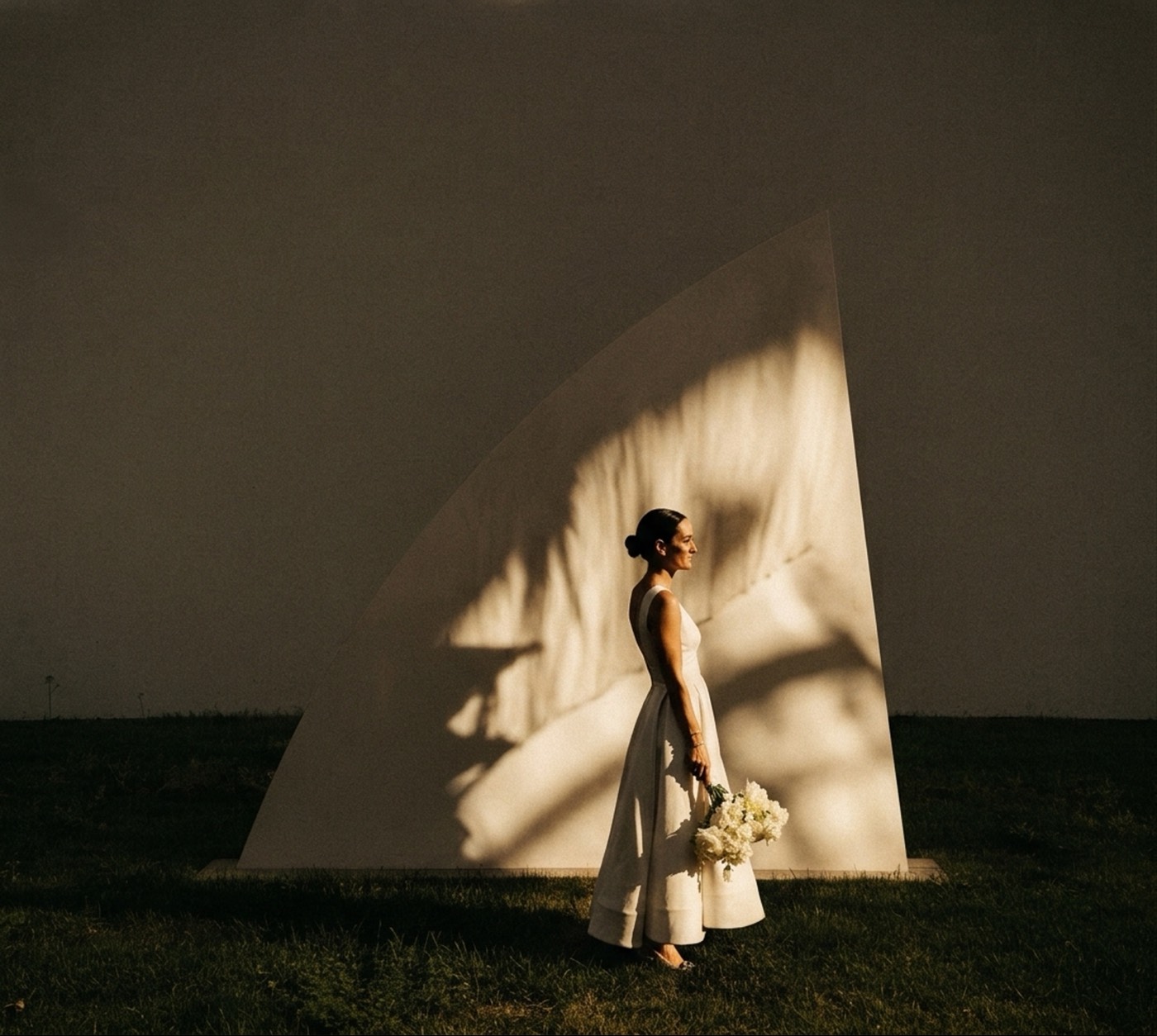
What relighting is: changing a photo's light, direction, quality, and mood, after the shot by rebuilding it, not tinting it. How reference-based relighting works.
Jun 24, 2026
Essays on film stocks, reference based editing, Identity Lock, studio workflows, and the practical future of photographic taste.
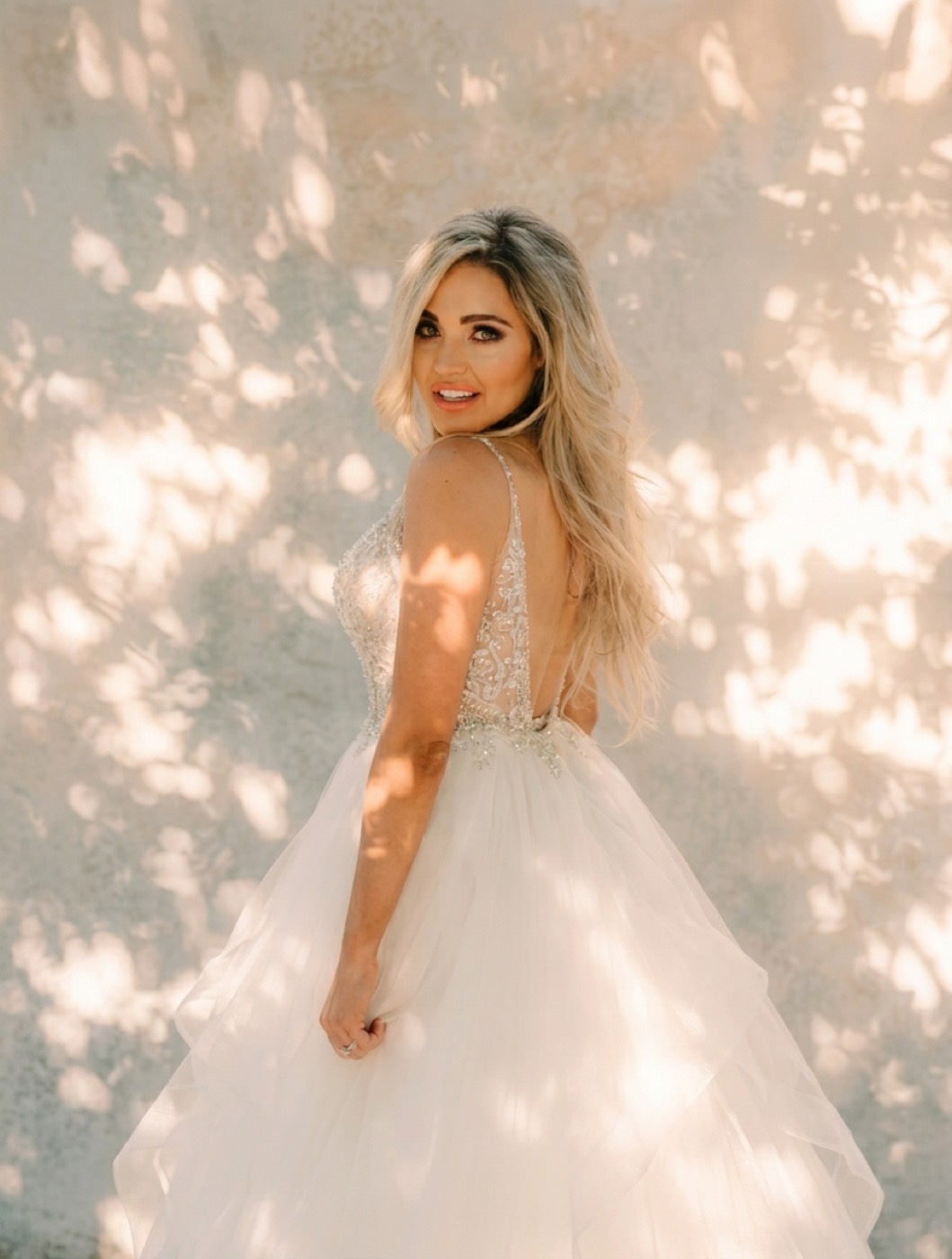
What relighting is: changing a photo's light, direction, quality, and mood, after the shot by rebuilding it, not tinting it. How reference-based relighting works.
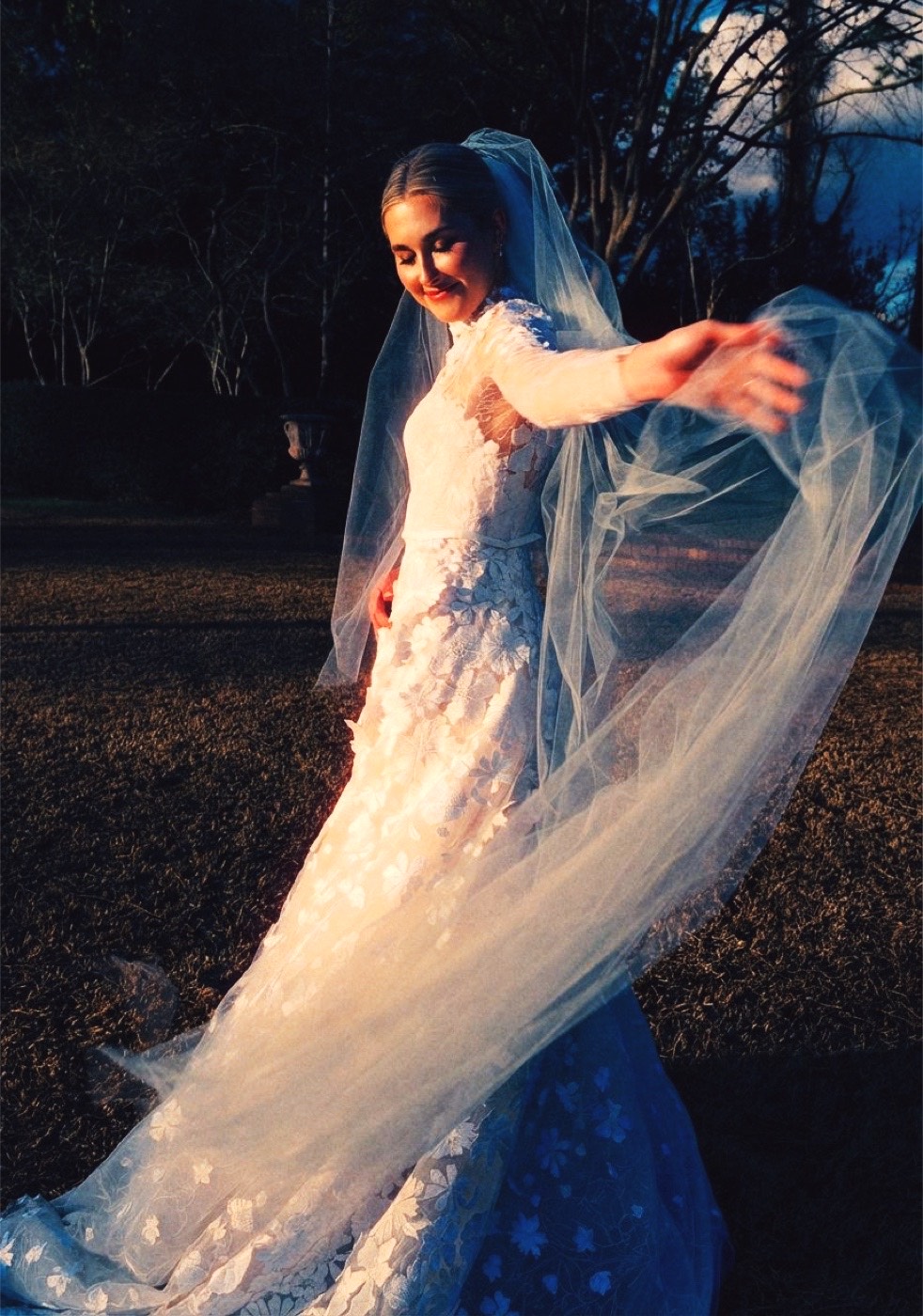
Tungsten vs daylight film: why tungsten stock looks blue in daylight, why daylight film goes orange at night, and how to use the shift on purpose.
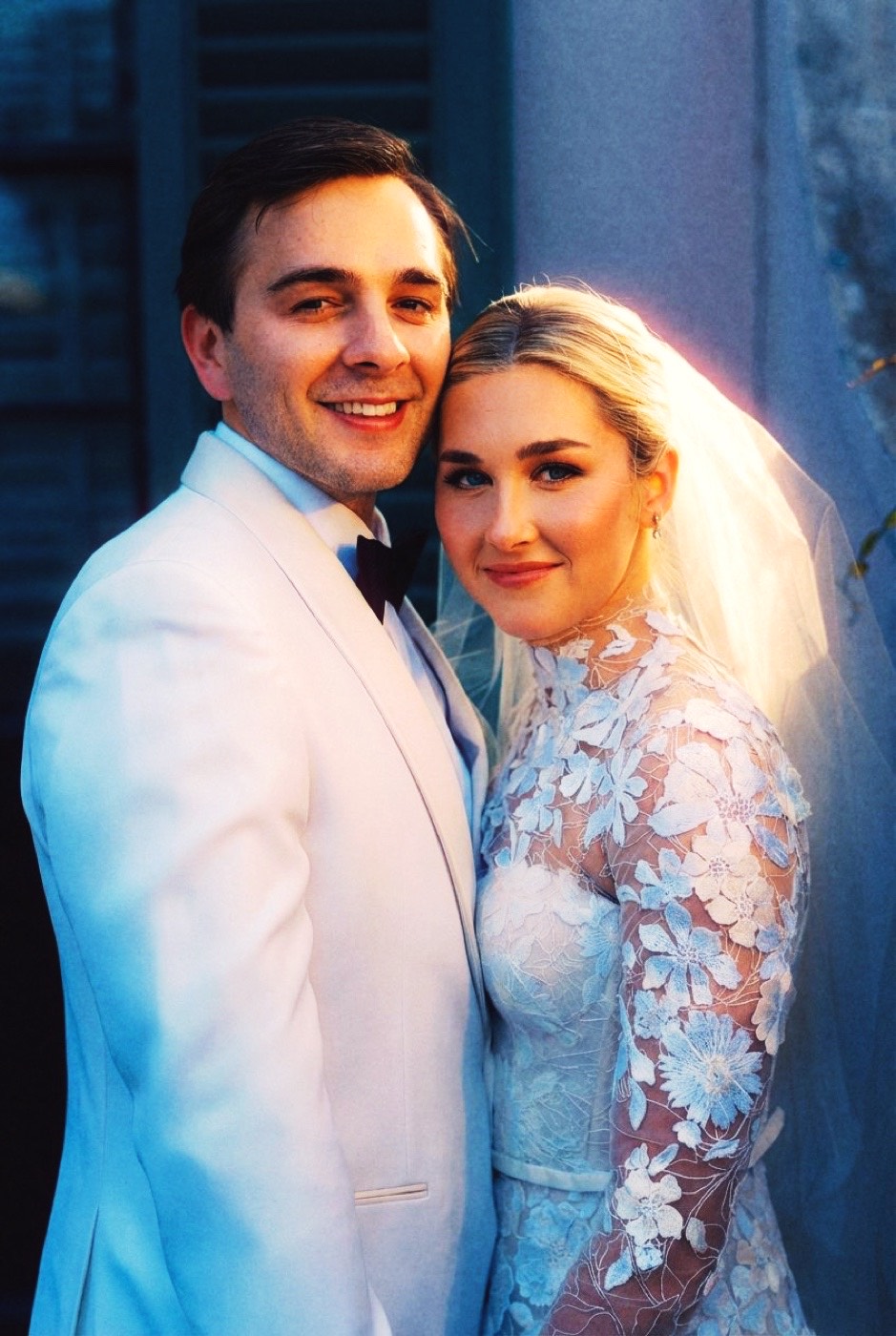
The teal and orange look explained: why warm skin against cool shadows works, where the grade came from, the cliche trap, and how to match it without ruining skin.
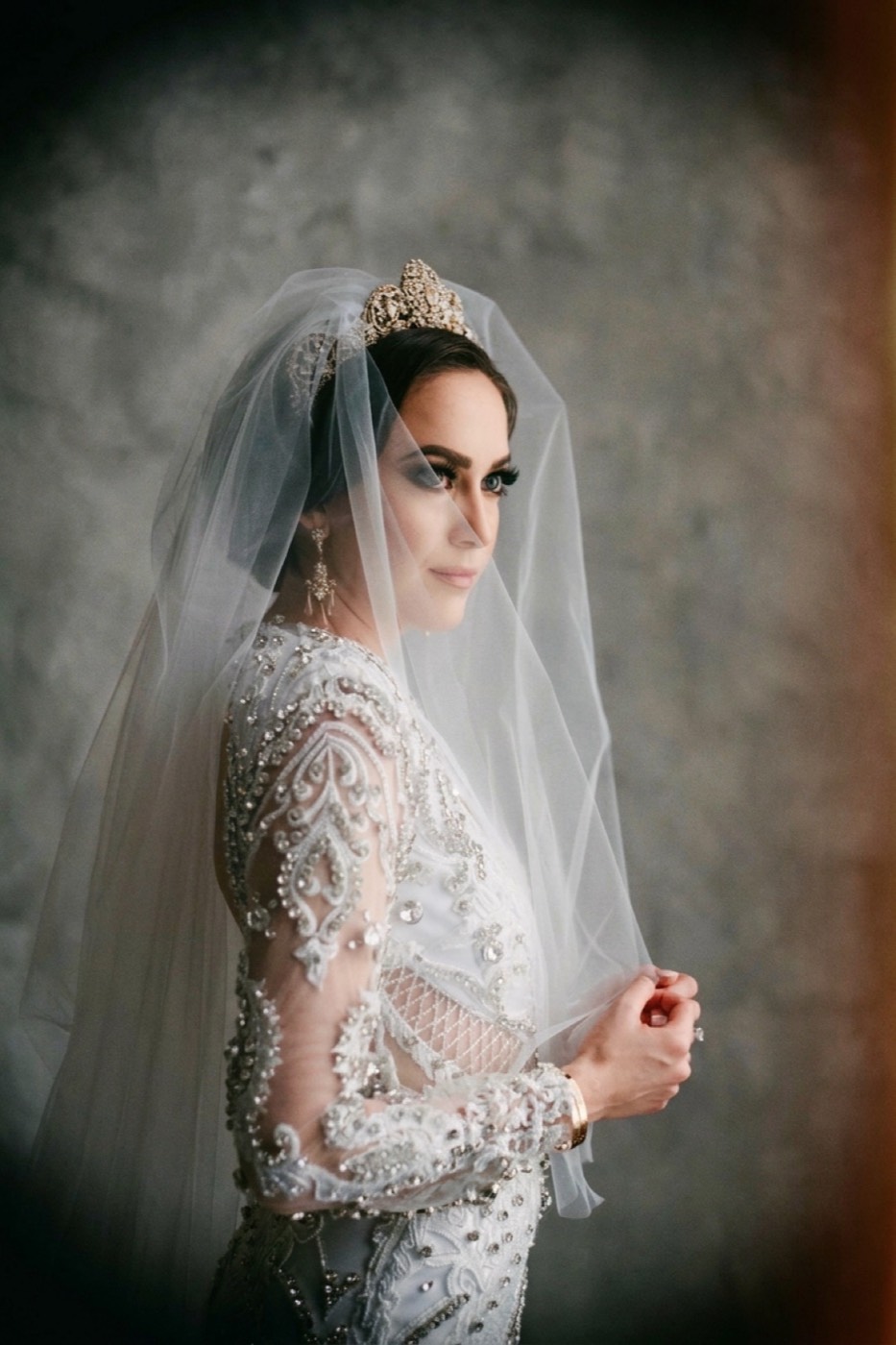
What the Holga look is: a plastic lens that collapses at the edges, a heavy vignette, soft center, forgiving Portra skin, and how to match it.
The difference between a profile and a preset, why film looks live in the profile, and what is actually inside one (color matrix, tone curve).
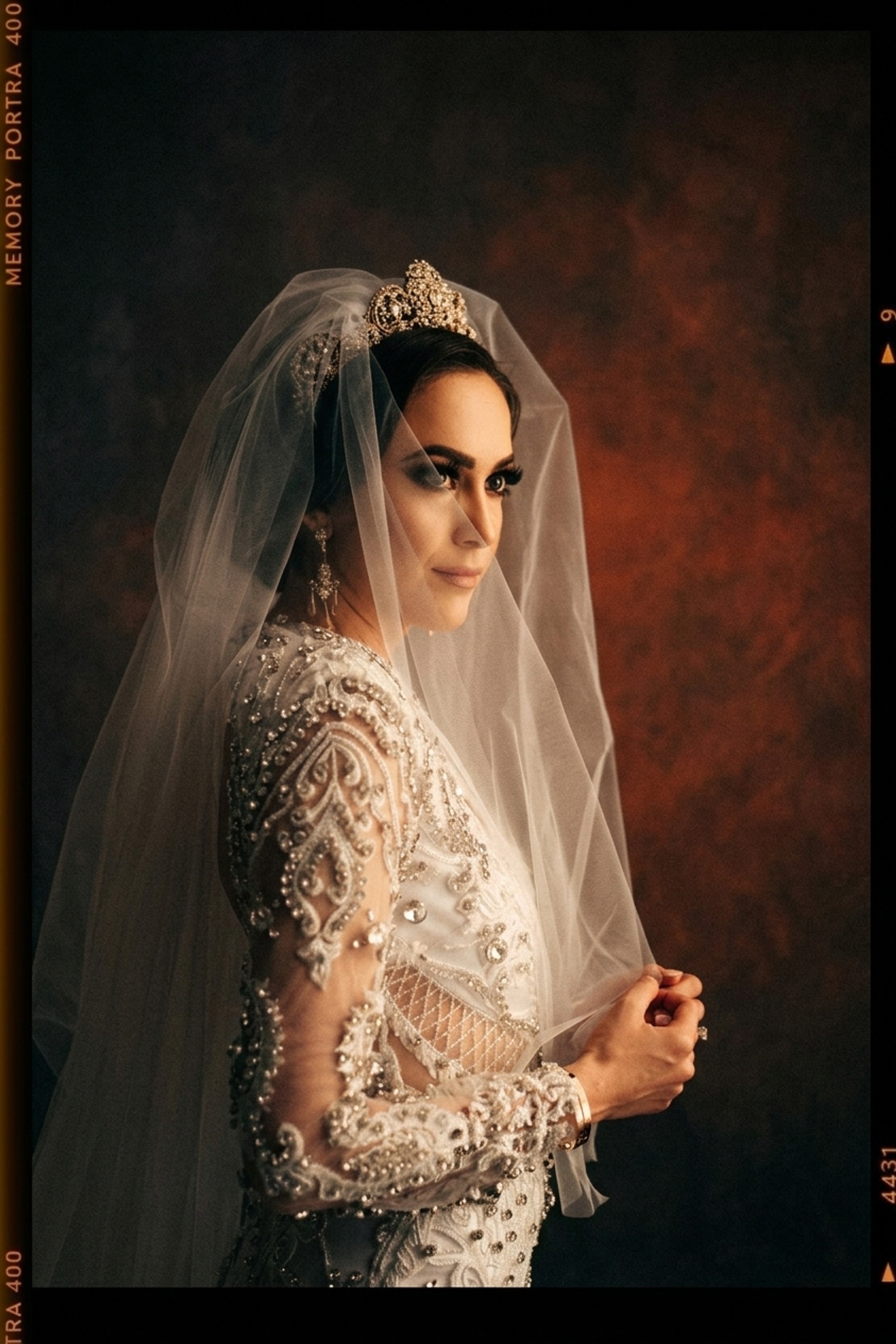
Portra 400 vs Portra 800: speed, grain, contrast, and skin compared with real examples, so you can pick the right one for daylight or low light.
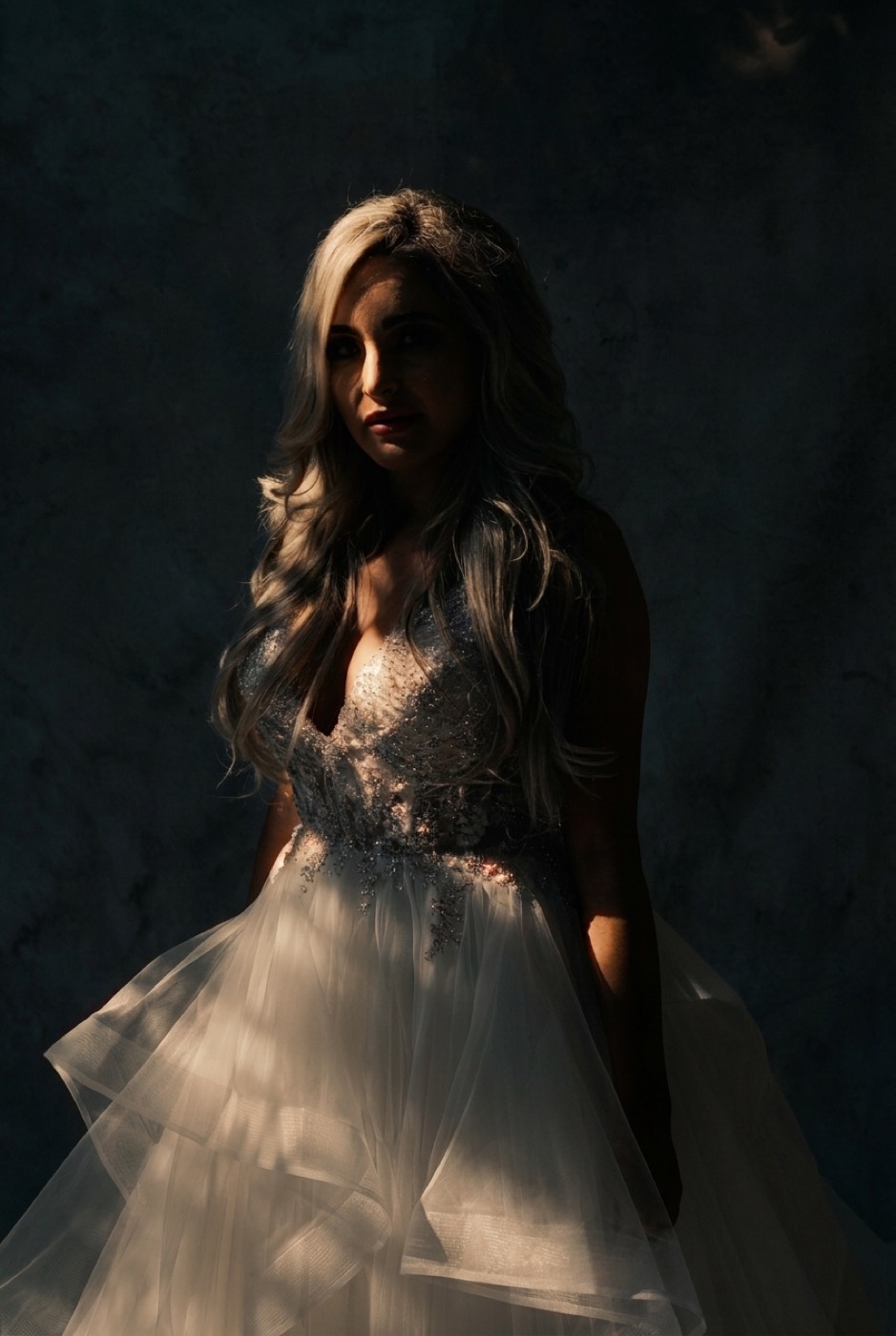
How to relight a portrait: choose a light reference, read its direction, softness, and color, and rebuild it on the face while keeping the subject the same.
How to identify a film stock from one frame: the five forensic tells (sky color, rolloff, grain, shadow bias, skin) and what each one reveals.
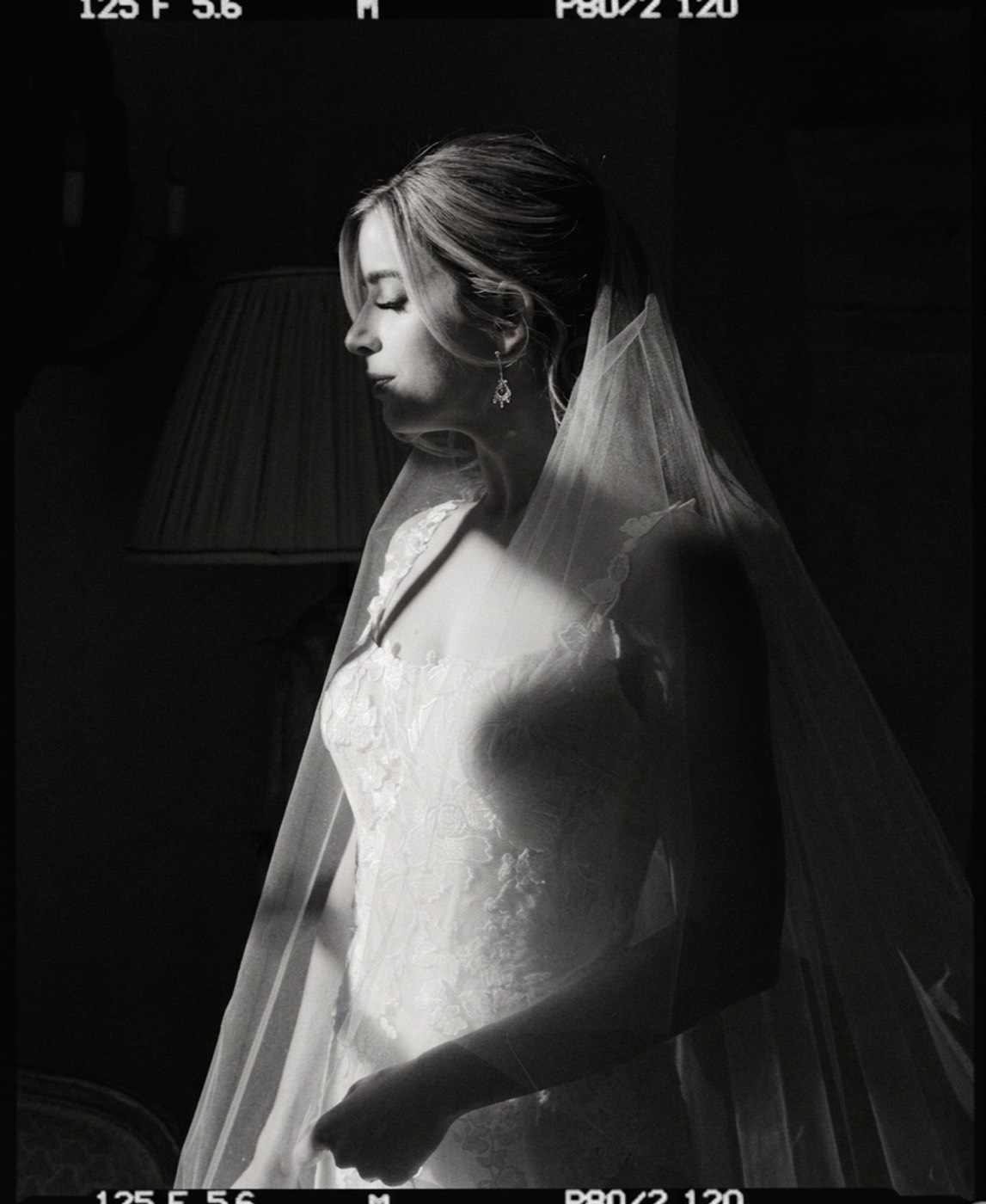
A short history of film photography: the daguerreotype, Kodak roll film, the Kodachrome color revolution, the defining stocks, and the revival.
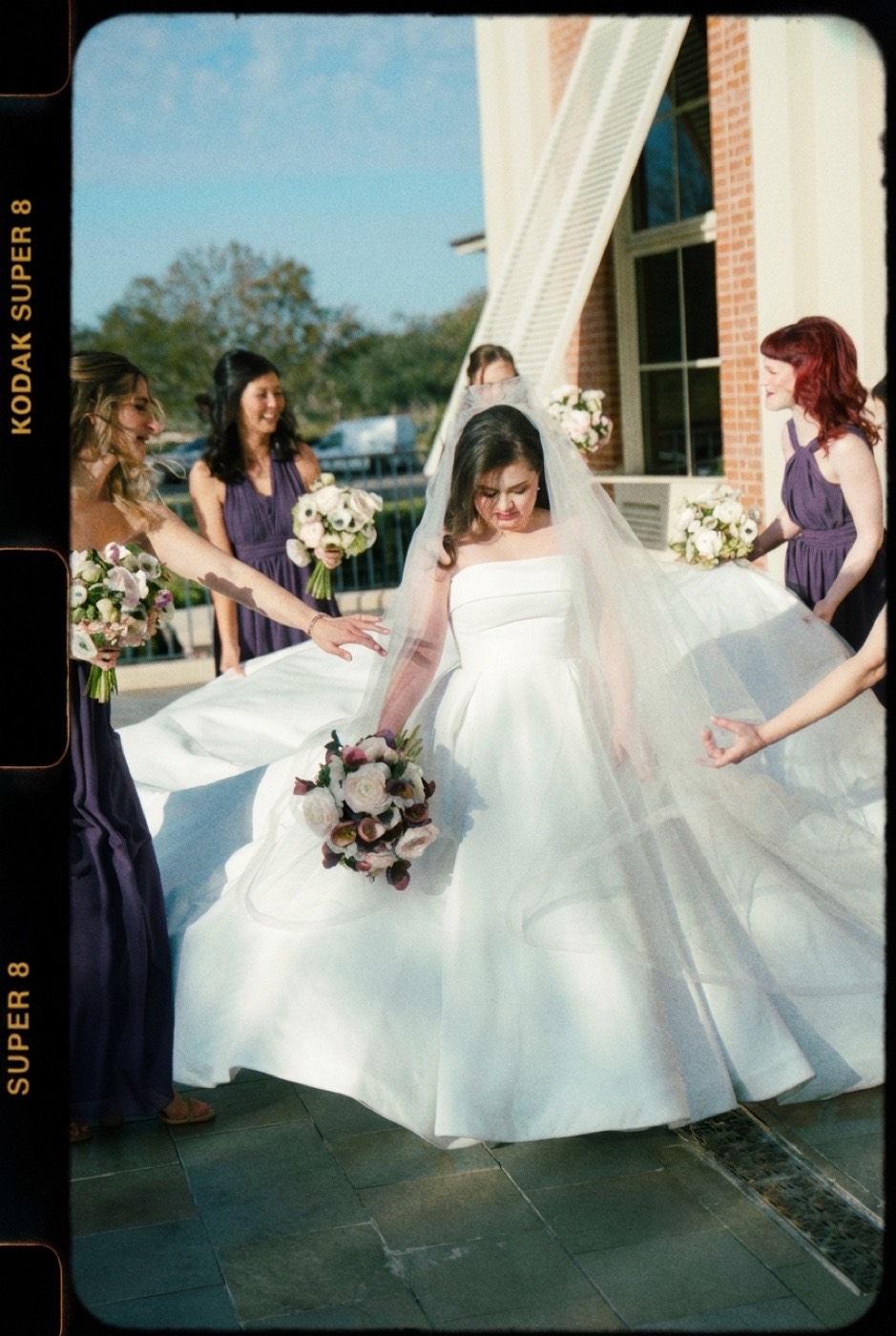
What film grain actually is: developed silver that reacts to exposure, clumping in some tones and clearing in others. Why even grain looks fake.
Fuji Frontier vs Noritsu scans: why the same negative looks softer on a Frontier and punchier on a Noritsu, and why the scan decides the look.
Film presets vs matching a look: why a preset applies one fixed recipe to every photo while matching adapts per image, and when each one is the right tool.
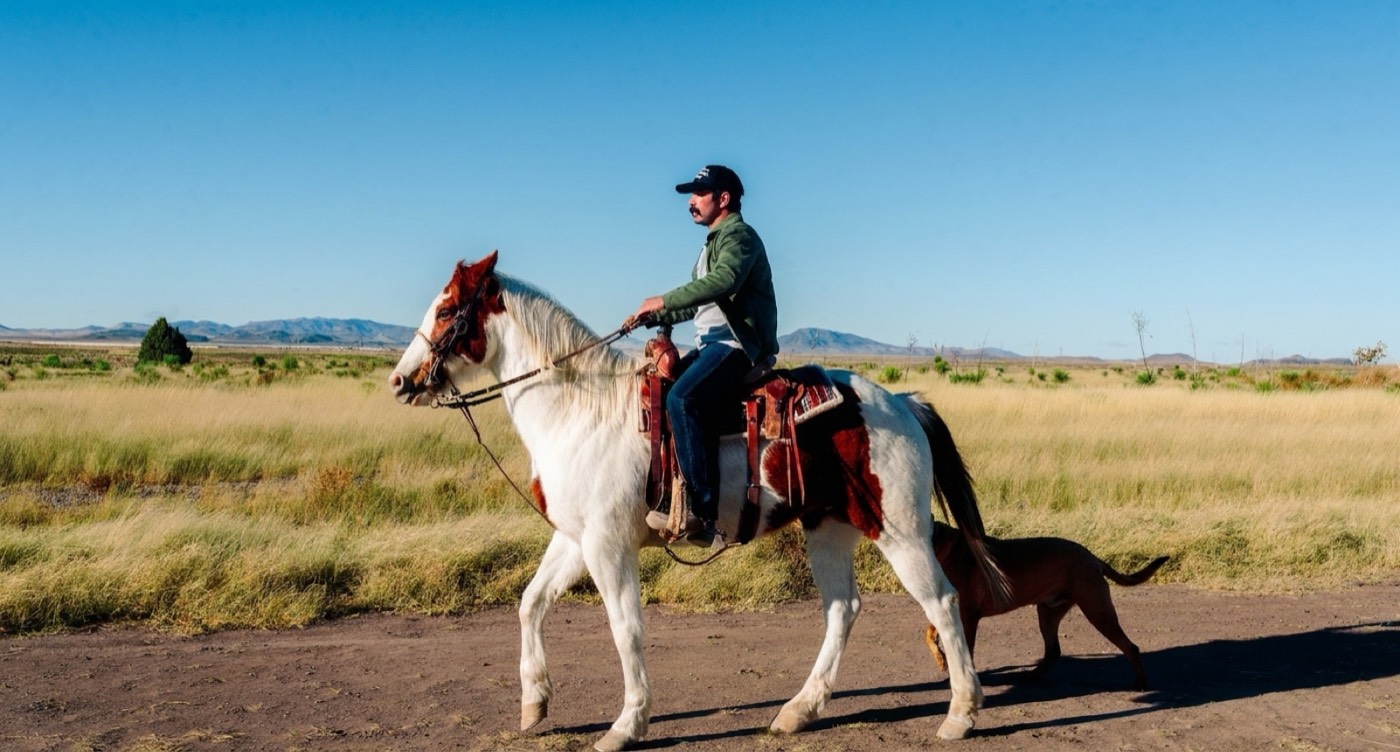
Ektar 100 vs Portra 400: saturation, grain, and skin compared. Why Ektar is the landscape stock and Portra is the portrait stock, with examples.
Color.io shut down on December 31 after Apple acquired it. What it got right (film-derived math, volumetric grain, physical halation), why color grading is commoditizing, and the texture a LUT can't carry.
What the Super 8 look does: heavy grain, warm faded color, soft under-resolution, the home-movie feel, and how to match it onto your photos.

What Kodak Portra 800 does: natural skin in low light, controlled grain, soft roll-off. A review with a real before and after, and how to match it.
What Kodak Portra 400 does to a portrait: warm forgiving skin, soft highlight roll-off, fine grain, and how to match the Portra 400 look on your photos.
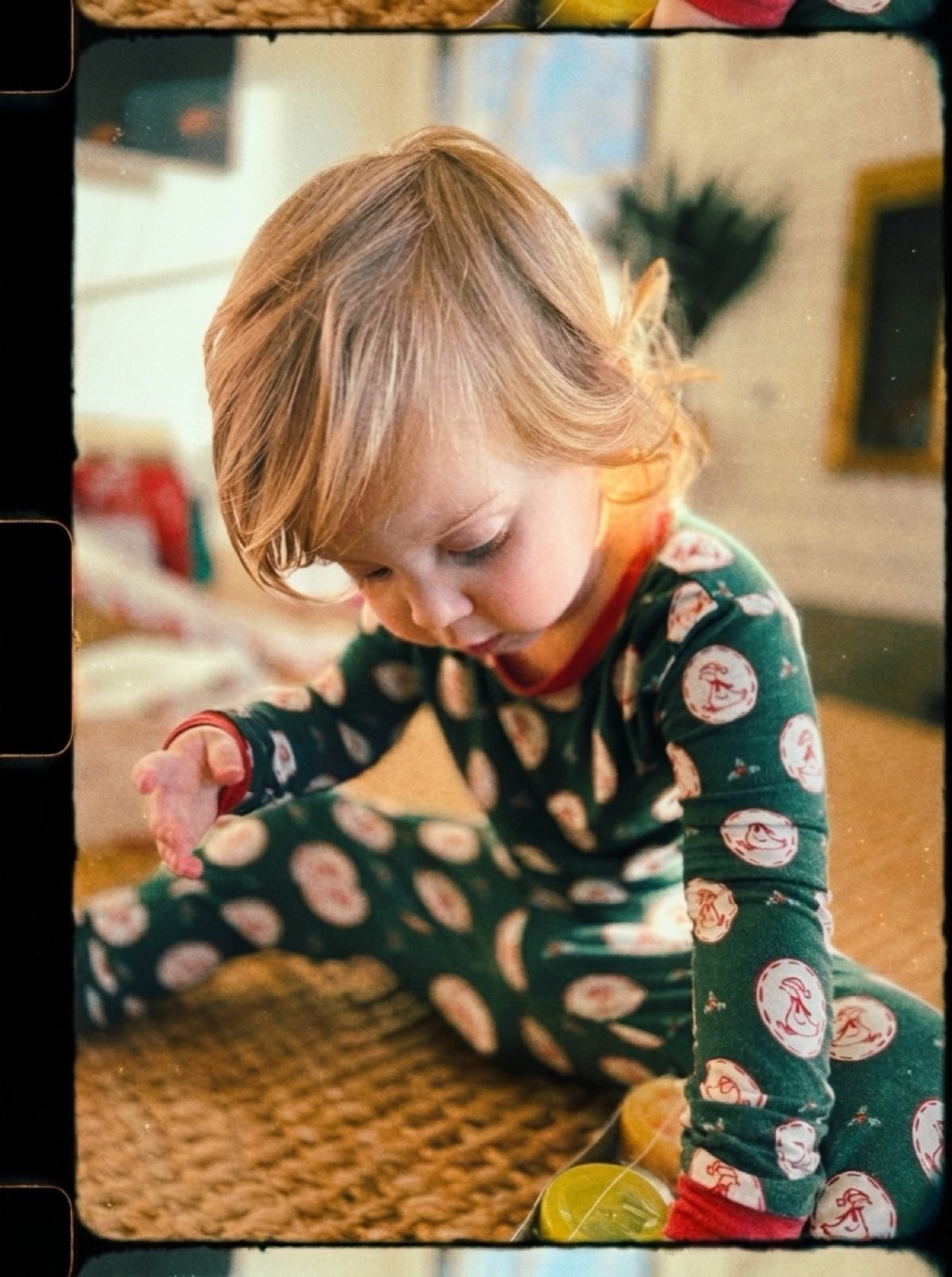
What Kodak Gold 200 looks like: warm golden cast, friendly grain, forgiving daylight latitude. A photographer's review with a real before and after.
What Kodak Ektar 100 does: vivid saturation, ultra-fine grain, punchy contrast. A review with a real before and after, and how to match the look.
Twelve real photographs, each matched to a different film look in the lab: black-and-white, Portra, neon noir, golden hour. Same subjects, new looks.
What CineStill 800T does to a photo: red halation glow, tungsten color, and visible grain, plus how to match the 800T look without touching your subject.
Origin stories, chemistry, cultural moments, and why certain looks became visual shorthand.
How references become recipes inside Department of Vibe and why Identity Lock changes the workflow.
Cost, turnaround, client delivery, gallery consistency, and the practical reality of finishing images at scale.