This is Tasting Notes, a sensory read on a stock, except this time the "stock" is really a camera. The Holga is a cheap plastic medium-format body, and its look has nothing to do with low quality. It is under-engineered, which is a different and more useful idea: the failures are specific, physical, and repeatable, and that is exactly why they are hard to fake.
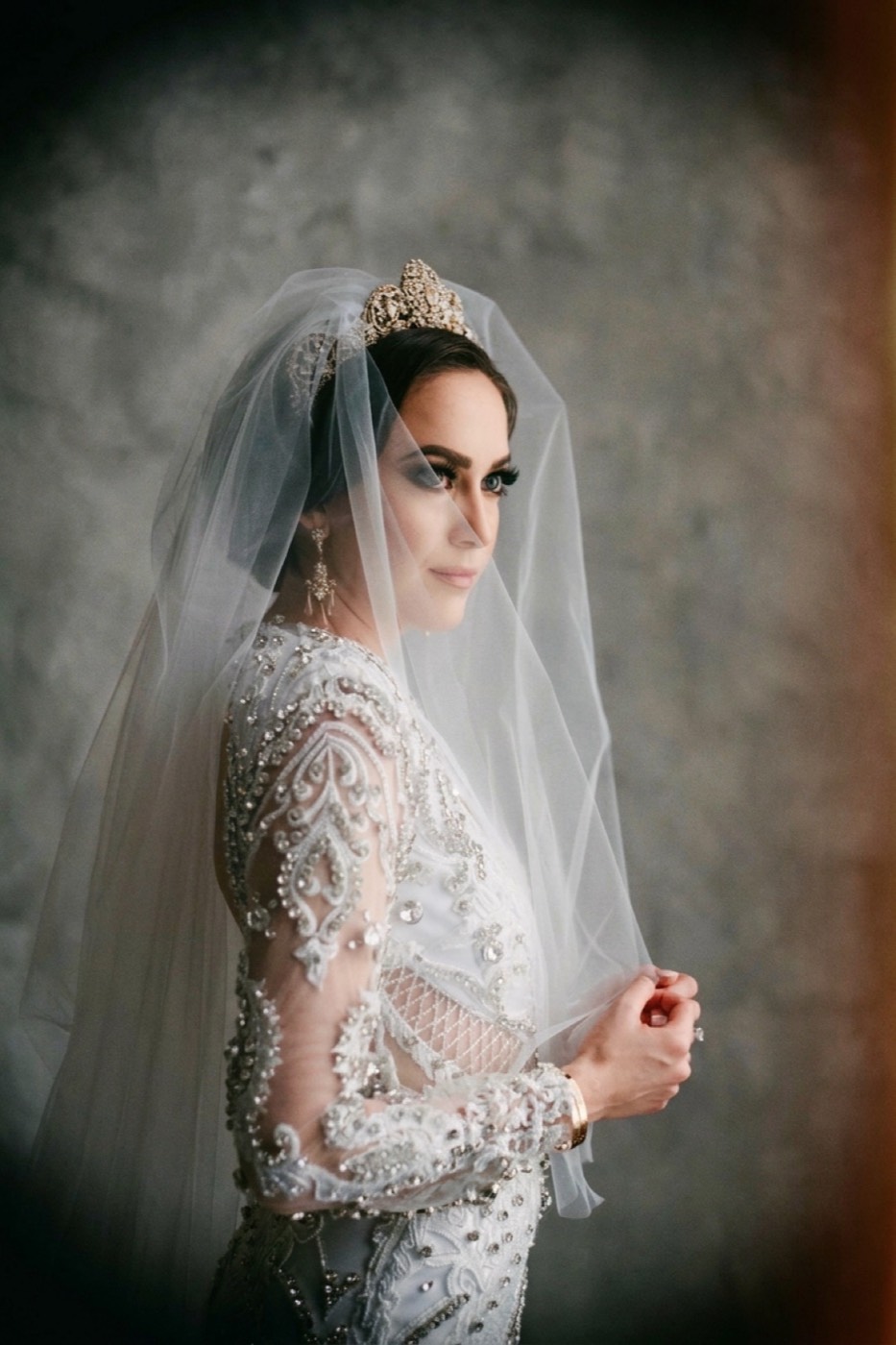
Three systems, fighting each other
The Holga look is the product of three things happening at once, none of them trying to cooperate:
- A plastic meniscus lens that is barely engineered. This is the dominant voice.
- Forgiving film, usually Kodak Portra, loaded behind it.
- A chaotic exposure regime, ambient light and a hard little flash, with almost no control.
Get one without the others and it falls apart. The whole charm is the argument between them.
The look, broken down
- Center: soft, but recognizable. The middle of the frame is never razor-sharp, yet it holds. The subject reads clearly; it just is not clinical. Center weakness, not center sharpness.
- Edges: collapse, not blur. This is the load-bearing distinction. A real Holga does not evenly soften toward the edges, it collapses them: directional smear from coma and astigmatism, the focus plane bending away with field curvature. Detail does not gently blur, it comes apart, and asymmetrically.
- Corners: dark and soft. A heavy vignette that does not just dim the corners but eats information out of them. The frame literally loses data at its edges.
- Color: Portra holding it together. Underneath the optical chaos, the film is forgiving. Warm, protected skin survives the plastic lens and the bad exposure. The film is doing the rescue work. (See Portra 400 for why that forgiveness runs so deep.)
The trap, and almost every fake Holga makes it, is to add a tidy round vignette and a soft glow and call it done. That politely decorates the image. A real Holga does violent, asymmetric optical damage. Edge collapse, not blur. Center weakness, not sharpness. The look is the failure, rendered honestly.
When to reach for it
- Dreamy, emotional portraits. The soft center and collapsing edges pull the eye to the subject and wrap everything else in atmosphere.
- Memory and nostalgia. Like Super 8, it reads as remembered rather than recorded.
- Anti-clinical work. When a clean frame feels too corporate, the Holga's controlled chaos warms it up.
Where it struggles
Honest part.
- Anything that needs edge-to-edge sharpness. Product, architecture, detail work fight everything the Holga does.
- Predictability. The chaos is the point, and the point is not consistency.
- Overuse. One frame is poetry; a whole gallery of collapsed edges is a gimmick.
Match it yourself
You do not need a plastic camera and a box of expired film. Match it: drop your photo and a Holga reference, and the engine rebuilds the optics, the vignette, and the Portra color on your shot while keeping the subject exactly as photographed. Start from the Holga look, or bring a reference whose falling-apart charm you want. Either way: match the failure, keep the photograph.