FIG. 3.3 — HOLGA + GOLD 200 PROCESS DOSSIER
Holga + Kodak Gold 200 120
"Bradford light. Plastic glass."
An authored Kodak Gold 200 interpretation formed through Bradford-calibrated Holga 120N behavior: a locked 6x6 or 6x4.5 gate, readable center detail, seeded local field curvature, asymmetric edge collapse, variable natural falloff, and an explicit direct hot-shoe flash branch.
FIG. 3.4 — DIGITAL → FILM SCAN
Input — Digital
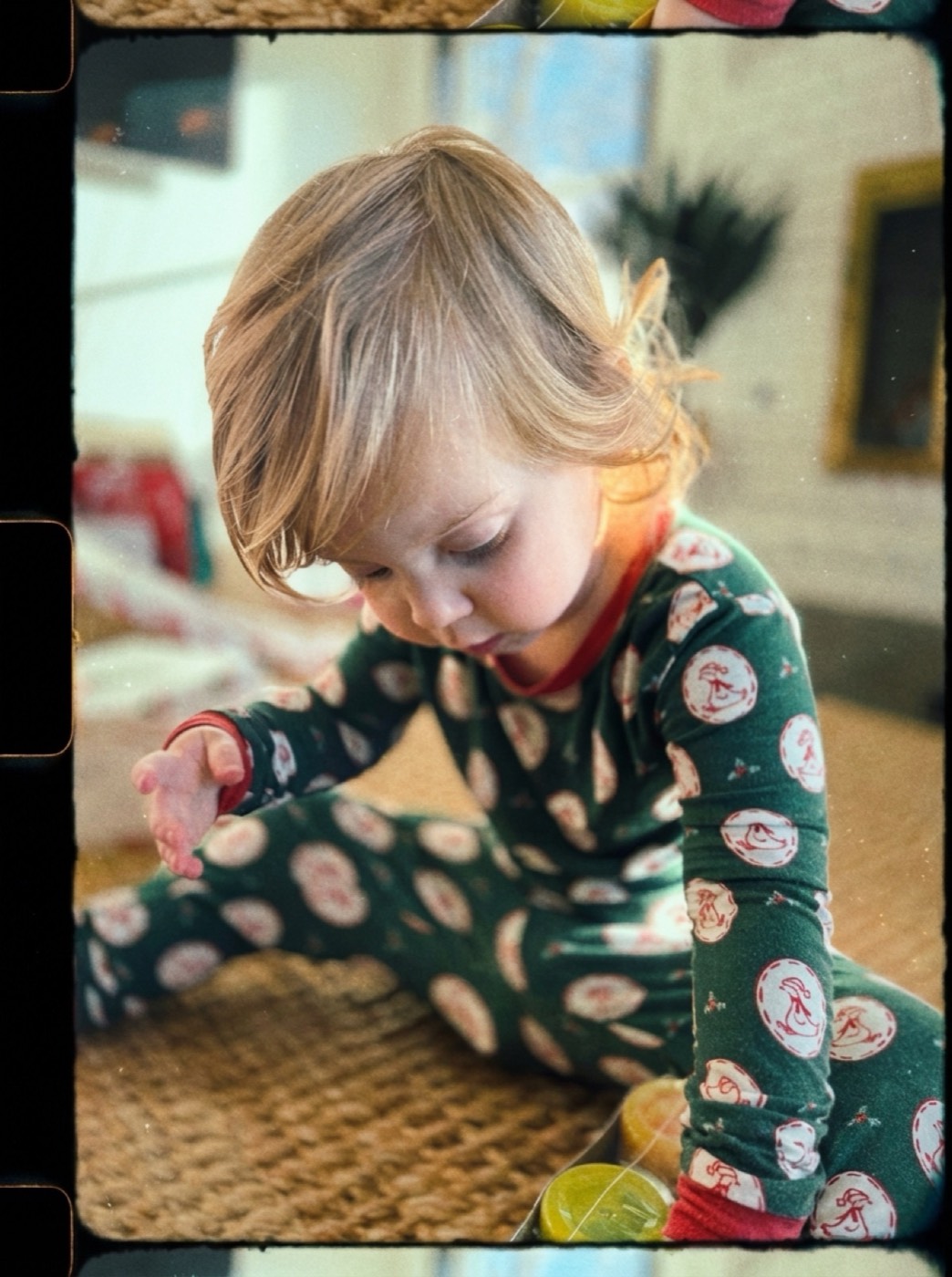
Output — HOLGA GOLD 200

The Holga + Kodak Gold 200 120 look matched onto a photo. Department of Vibe transfers its color, contrast, grain, and density while keeping the subject identical, so the photograph stays yours and only the look changes.
Film Chemistry Profile
- Catalog Code
- HLG-G200
- Grain
- medium
- Bias
- warm
- Contrast
- standard
- Halation
- off
- Overscan Default
- ON
Recommended Use Cases
Film Stock History
Year Introduced
1982
Manufacturer
Universal Electronics Industries (later Tokina)
Origin
Hong Kong / China
Film Type
Kodak Gold 200 color negative in a Holga 120N
The Holga was never meant to be an art camera. Created in 1982 by T.M. Lee in Hong Kong, it was designed as an inexpensive medium-format camera for the Chinese mass market—a simple tool for families to document life without spending much money. The entirely plastic construction, including the lens, was a cost-saving measure. Vignetting, field curvature, edge softness, and occasional body leaks became part of its reputation.
This Dept of Vibe process pairs that camera behavior with Kodak Gold 200 in 120 format. Gold supplies the bright consumer color and forgiving negative response; the Holga supplies the optical falloff. Light leaks, loose-roll fog, overlap, and multiple exposure remain optional events because photographers commonly tape the body when they want a cleaner negative.
The Holga became a tool for photographers seeking an alternative to clinical precision. The useful visual signature is structural rather than decorative: a coherent soft center, asymmetric edge collapse, dark corners that lose information, and frame-to-frame variation from a simple camera.
Technical Innovation
A minimal 120 camera whose approximately 60mm plastic lens, fixed-speed shutter, simple apertures, and interchangeable masks create a repeatable but imperfect optical field.
Cultural Impact
The Holga launched the entire 'toy camera' movement and Lomography culture. It proved that imperfection and authenticity could be more valuable than technical perfection, anticipating the lo-fi aesthetics of Instagram filters by decades.
Famous Photographers
David Burnett
Pulitzer Prize-winning photojournalist who used Holga for political photography
Holga portraits of Al Gore during the 2000 election that appeared in Time magazine
Michelle Bates
Author of 'Plastic Cameras: Toying with Creativity'
Fine art Holga work and advocacy for toy camera photography
Harvey Stein
Documentary photographer who explored Coney Island with Holga
'Coney Island 40 Years' documentary project
Iconic Works Shot on Holga + Kodak Gold 200 120
Time Magazine's Al Gore Cover
2000David Burnett's Holga portrait of Al Gore made the cover of Time, proving the camera belonged in serious photojournalism.
Lomography Movement
1992The founding of the Lomographic Society in Vienna, inspired by the Holga and Soviet-era Lomo cameras, created an entire photographic movement.
Original Film Chemistry
- Film Type
- Kodak Gold 200 color negative in a Holga 120N
- ISO Speed
- 200
- Process
- C-41
Film Stock Trivia
- •Light leaks are optional camera behavior; photographers often tape the body for cleaner negatives
- •The camera was so cheap that the flash was often more expensive than the camera body
- •Holga production ceased in 2015, making original cameras collectible
- •The camera name comes from the Cantonese phrase 'ho gwong' meaning 'very bright'
- •Many photographers tape their Holgas to prevent light leaks—others intentionally make the leaks worse
Recommended For
Photographers
- •Personal test shoots
- •Art projects
Creators
- •Weird, high-character content
Agencies
- •Brand campaigns with a raw, imperfect aesthetic
Explore Similar Film Stocks
Ready to process?