FIG. 3.1 — SUPER 8 CORE DOSSIER
Super 8 Core
"Memory in motion."
A warm, nostalgic 8mm-inspired film profile with medium-high grain, active halation, and soft rolloff. Designed to feel like home movies and sunlit documentations from the 1960s–80s.
FIG. 3.4 — DIGITAL → FILM SCAN
Input — Digital
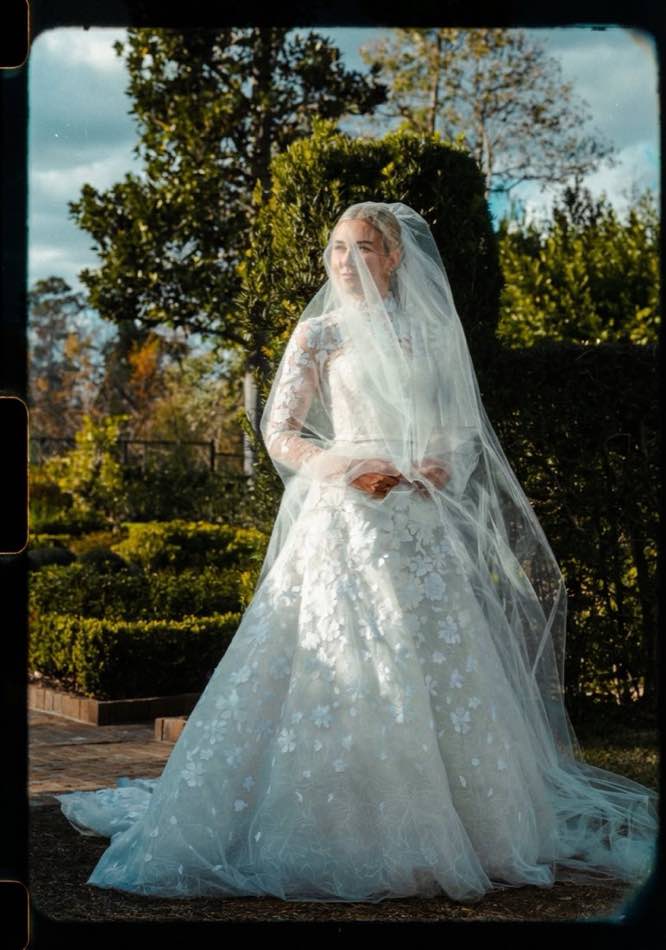
Output — SUPER 8 CORE
The Super 8 Core look matched onto a photo. Department of Vibe transfers its color, contrast, grain, and density while keeping the subject identical, so the photograph stays yours and only the look changes.
Film Chemistry Profile
- Catalog Code
- S8C-01
- Grain
- high
- Bias
- warm
- Contrast
- soft
- Halation
- active
- Overscan Default
- ON
Recommended Use Cases
Film Stock History
Year Introduced
1965
Manufacturer
Eastman Kodak
Origin
USA
Film Type
Color Reversal / Color Negative
Super 8 was introduced by Kodak in 1965 as a revolutionary format that democratized motion picture filmmaking. The format improved on the earlier Standard 8mm by increasing the image area by 50% through smaller sprocket holes, resulting in sharper, more detailed footage. The cartridge-loading system eliminated the need to thread film, making it accessible to anyone who wanted to capture moving memories.
The format exploded in popularity throughout the late 1960s and 1970s, becoming synonymous with home movies, family gatherings, and the authentic documentation of everyday life. Super 8 cameras became as common as polaroid cameras at birthdays, holidays, and vacations. The characteristic warmth, grain, and slight imperfections of Super 8 became visual shorthand for nostalgia and memory itself.
In the 1980s and 90s, as video cameras emerged, Super 8 was adopted by independent filmmakers and music video directors seeking an authentic, gritty aesthetic. Directors like Spike Jonze, Michel Gondry, and Derek Jarman championed the format, cementing its place in visual culture as more than just a home movie format—it became an artistic choice.
Technical Innovation
The cartridge-loading system and 50% larger image area compared to Standard 8mm made quality filmmaking accessible to amateurs for the first time.
Cultural Impact
Super 8 defined the visual language of memory and nostalgia. Its distinctive look—warm tones, visible grain, light leaks, and slight overexposure—has become universally recognized as the aesthetic of cherished memories. When we think of 'the past,' we often picture it through the lens of Super 8.
Famous Photographers
Derek Jarman
Avant-garde British filmmaker who shot extensively on Super 8
The Garden (1990), Blue (1993)
Jonas Mekas
Lithuanian-American filmmaker, godfather of avant-garde cinema
Walden (1969), As I Was Moving Ahead Occasionally I Saw Brief Glimpses of Beauty (2000)
Spike Jonze
Music video and film director known for authentic, raw aesthetics
Beastie Boys 'Sabotage' video, Jackass films
Iconic Works Shot on Super 8 Core
Zapruder Film
1963Abraham Zapruder's footage of JFK's assassination became the most analyzed amateur film in history, shot on 8mm (the predecessor to Super 8).
Paris, Texas Opening Sequence
1984Wim Wenders incorporated Super 8 aesthetics in this iconic American road film.
Original Film Chemistry
- Film Type
- Color Reversal / Color Negative
- ISO Speed
- 50-500 (various stocks)
- Process
- E-6 / K-14 / ECN-2
Film Stock Trivia
- •Kodak sold over 50 million Super 8 cameras between 1965 and 1985
- •The format is still manufactured today by Kodak and used by filmmakers seeking authentic analog aesthetics
- •Super 8 film runs at 18 frames per second (vs 24 fps for cinema), giving it that distinctive 'home movie' motion
- •The cartridge design was so influential that Kodak reintroduced it in 2016 with a new Super 8 camera
Recommended For
Photographers
- •Wedding highlights and alt galleries
- •Family sessions with emotional tone
Creators
- •Storytelling edits for Reels/TikTok
- •Nostalgia-heavy carousels
Agencies
- •Campaigns evoking memory and heritage
- •Brand films needing an analog edge
Explore Similar Film Stocks
Ready to process?