FIG. 3.2 — CINESTILL 800T DOSSIER
Cinestill 800T Film Simulation
"Tungsten dreams."
A tungsten-balanced cinematic film simulation inspired by Cinestill 800T. Cool blue shadows, warm highlights with signature halation blooms, and a cinematic mood perfect for low-light and nighttime scenes.
FIG. 3.4 — DIGITAL → FILM SCAN
Input — Digital

Output — 800T
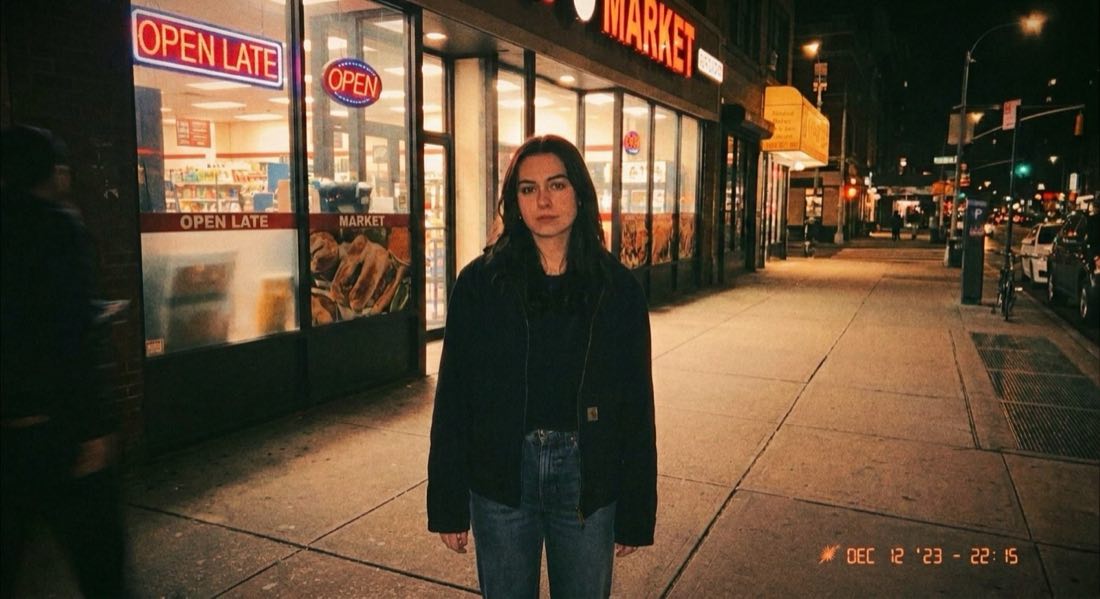
The Cinestill 800T look matched onto a photo. Department of Vibe transfers its color, contrast, grain, and density while keeping the subject identical, so the photograph stays yours and only the look changes.
Film Chemistry Profile
- Catalog Code
- CS8-01
- Grain
- medium
- Bias
- cool
- Contrast
- punchy
- Halation
- active
- Overscan Default
- OFF
Recommended Use Cases
Film Stock History
Year Introduced
2012
Manufacturer
CineStill Film
Origin
USA (California)
Film Type
Color Negative (modified motion picture)
CineStill 800T has a unique origin story: it's actually Kodak Vision3 500T motion picture film, modified for still photography. Brothers Brian and Brandon Wright founded CineStill in 2012 with a simple idea—give still photographers access to the same film stock used in Hollywood blockbusters. The problem? Motion picture film has a 'remjet' backing layer that would destroy standard photo lab equipment.
The Wright brothers developed a process to remove the remjet layer while preserving the film's remarkable characteristics, then respooled it for 35mm still cameras. This meant photographers could now shoot with the same stock used in films like 'Blade Runner 2049,' 'La La Land,' and 'Joker.' The tungsten balance (the 'T' in 800T) means the film is designed for artificial light sources, giving a unique blue-cyan cast to daylight scenes while rendering tungsten lights with warm, natural tones.
What makes CineStill 800T truly distinctive is its halation—the beautiful red-orange glow around bright light sources. In original motion picture film, the remjet backing prevents this. By removing it, CineStill accidentally created one of the most recognizable looks in contemporary film photography. Those dreamy halos around streetlights, neon signs, and candles have become the signature of CineStill and one of the most sought-after aesthetic effects in film photography.
Deep Dive Available
Read the complete origin story: How two brothers in a garage brought Hollywood film to photographers, and why the signature halation was a beautiful accident.
Read Full History Article →Technical Innovation
Removing the remjet anti-halation layer from motion picture film to enable standard C-41 processing, while creating a signature halation effect as a 'beautiful accident.'
Cultural Impact
CineStill bridged the gap between cinema and still photography, creating a new aesthetic that defined the 'night photography' look of the 2010s and 2020s. Its halation became so iconic that digital filters now attempt to replicate it.
Famous Photographers
Masashi Wakui
Japanese street photographer known for neon-lit Tokyo nightscapes
Tokyo night photography that defined the 'CineStill look'
Sam Abell
National Geographic photographer who experimented with CineStill
Exploration of tungsten film aesthetics in documentary work
Various Wedding Photographers
CineStill became the go-to film for reception and night photography in wedding industry
The film revolutionized wedding photography's 'second shooter' aesthetic
Iconic Works Shot on Cinestill 800T
Blade Runner 2049
2017Shot on Kodak Vision3 (the source stock for CineStill), Roger Deakins' cinematography defined the modern noir aesthetic.
La La Land
2016The film's warm tungsten scenes showcased the magic of 500T/800T stock in romantic settings.
Original Film Chemistry
- Film Type
- Color Negative (modified motion picture)
- ISO Speed
- 800
- Process
- C-41 (standard photo lab) or ECN-2 (motion picture)
Film Stock Trivia
- •CineStill 800T is literally Kodak Vision3 500T, push-processed to 800 ISO
- •The halation effect wasn't intentional—it was a side effect of removing the remjet
- •The film is tungsten-balanced (3200K), which is why daylight scenes look blue
- •CineStill later released 50D for daylight, based on Kodak Vision3 50D cinema stock
- •The red halation is so distinctive that it's often called 'CineStill glow'
Recommended For
Photographers
- •Reception and evening wedding coverage
- •Intimate low-light sessions
Creators
- •Night photography content
- •Cinematic Reels and TikToks
Agencies
- •Film-inspired campaigns
- •Luxury brand content with cinematic feel
Explore Similar Film Stocks
Ready to process?