FIG. 3.2 — POLAROID SCAN DOSSIER
Polaroid Scan
"Instant nostalgia."
A soft, instant-film simulation inspired by classic Polaroid color. Lower grain, creamier highlights, and true overscan borders for prints that feel held, not authored.
FIG. 3.4 — DIGITAL → FILM SCAN
Input — Digital
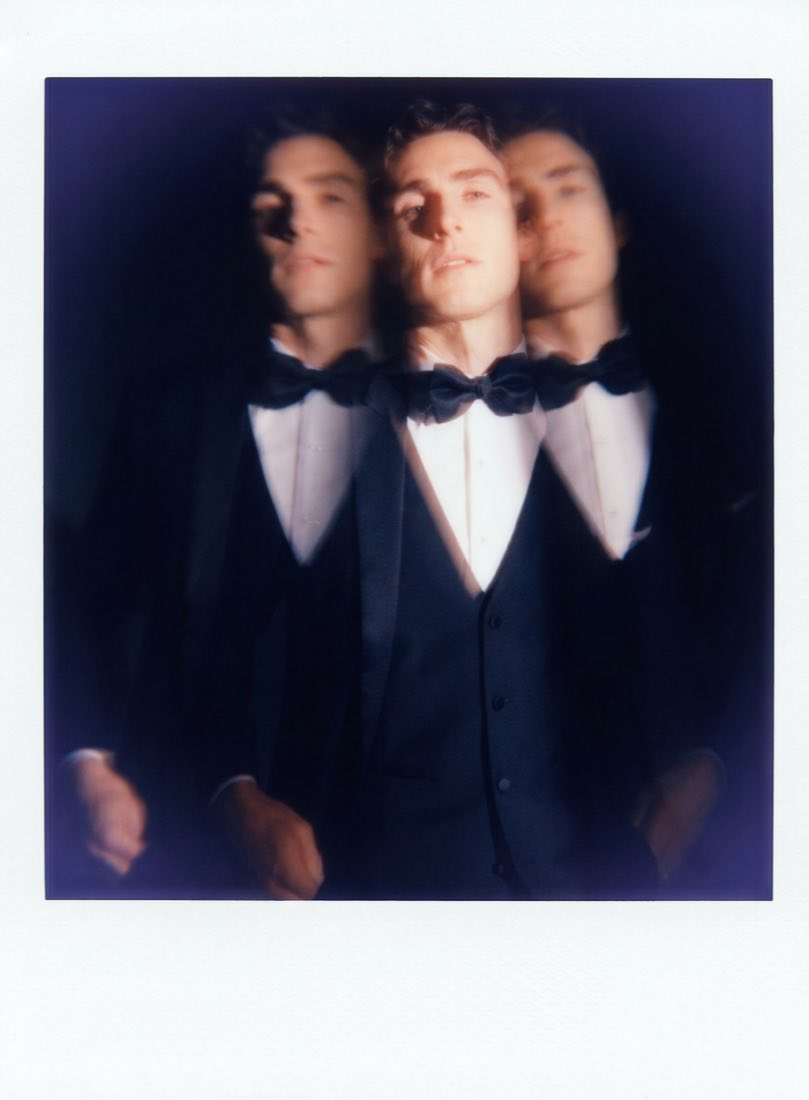
Output — POLAROID
The Polaroid Scan look matched onto a photo. Department of Vibe transfers its color, contrast, grain, and density while keeping the subject identical, so the photograph stays yours and only the look changes.
Film Chemistry Profile
- Catalog Code
- POL-01
- Grain
- medium
- Bias
- neutral
- Contrast
- soft
- Halation
- subtle
- Overscan Default
- ON
Recommended Use Cases
Film Stock History
Year Introduced
1948
Manufacturer
Polaroid Corporation
Origin
USA
Film Type
Instant / Self-Developing
Polaroid instant film was invented by Edwin Land after his three-year-old daughter asked why she couldn't see a photo he'd just taken of her. That simple question sparked a revolution. In 1947, Land demonstrated the first instant camera, and by 1948, the Polaroid Land Camera Model 95 was on sale—the first camera to produce a finished photograph in about 60 seconds.
The technology seemed like magic: you pressed the shutter, pulled out a print, and watched as the image slowly appeared before your eyes. Polaroid became synonymous with instant gratification, spontaneity, and the tangible photograph. Unlike traditional film that required lab processing, Polaroid put the entire darkroom inside a self-developing photo. The distinctive white border became an icon of photography itself.
By the 1970s, Polaroid had become a cultural phenomenon. Andy Warhol famously carried a Polaroid camera everywhere, using it as both artistic tool and social lubricant. The SX-70, introduced in 1972, became the first folding SLR instant camera and a design icon. Musicians, artists, and everyday people embraced the format's immediacy and unique aesthetic—the soft colors, the dreamlike quality, and the one-of-a-kind nature of each print.
Technical Innovation
Self-developing film with integrated chemistry—the entire darkroom process happened within the photograph itself, with dyes and developers migrating through layers to form the final image.
Cultural Impact
Polaroid democratized photography and created the 'share now' culture decades before smartphones. The format inspired the name and aesthetic of Instagram, and its revival in the 2010s proved that the desire for tangible, imperfect, instant photographs never went away.
Famous Photographers
Andy Warhol
Pop artist who shot thousands of Polaroids as studies for paintings
Polaroid portraits of celebrities and the NYC art scene
Helmut Newton
Fashion photographer who used Polaroids for lighting tests and creative exploration
Polaroid portraits published in 'Polaroids' (2011)
Ansel Adams
Consulted with Polaroid on film development and created fine art Polaroids
Large-format Polaroid landscapes
Maripol
French artist and Madonna's stylist who documented NYC's downtown scene
'Maripolaroid' series documenting Basquiat, Warhol, and 80s culture
Iconic Works Shot on Polaroid Scan
Warhol's Factory Polaroids
1970Thousands of Polaroid portraits that served as source material for Warhol's silkscreens and captured the entire NYC celebrity scene.
OutKast's 'Hey Ya!' Music Video
2003The line 'Shake it like a Polaroid picture' revived interest in the format and became a cultural moment.
Original Film Chemistry
- Film Type
- Instant / Self-Developing
- ISO Speed
- 640 (modern Polaroid 600)
- Process
- Integral (self-contained)
Film Stock Trivia
- •Edwin Land held 535 patents, second only to Thomas Edison
- •Polaroid went bankrupt twice (2001 and 2008) but the brand was revived
- •Shaking a Polaroid actually doesn't help it develop—the chemistry is sealed inside
- •The Polaroid SX-70 was featured on the cover of Life magazine and inspired Steve Jobs
- •Impossible Project (now Polaroid Originals) reverse-engineered the chemistry when Polaroid stopped production
Recommended For
Photographers
- •Portrait sessions that need softness
- •Engagements and family shots
Creators
- •Diary-style posts
- •Analog aesthetic grids
Agencies
- •Campaigns emphasizing intimacy and proximity
Explore Similar Film Stocks
Ready to process?