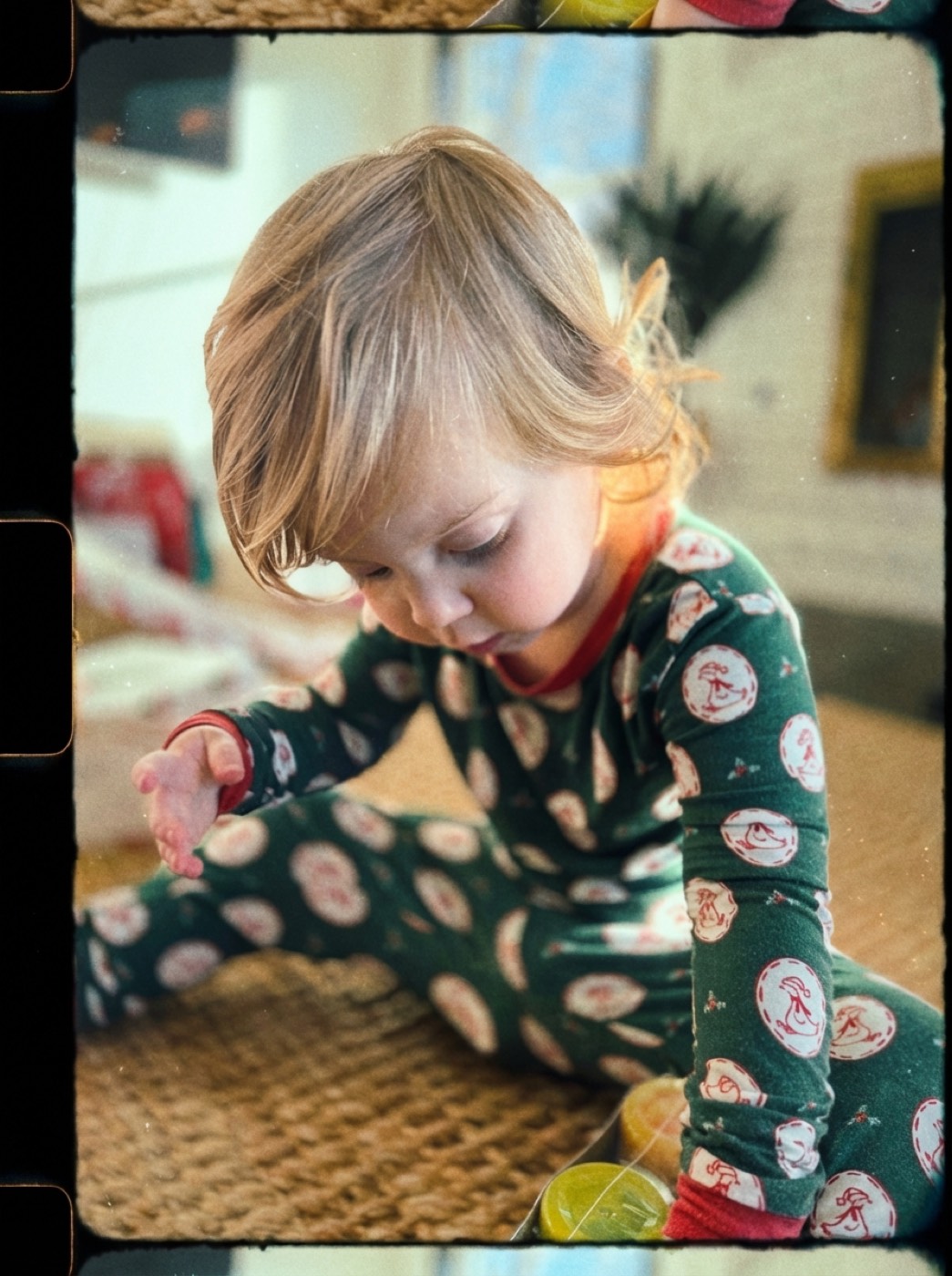
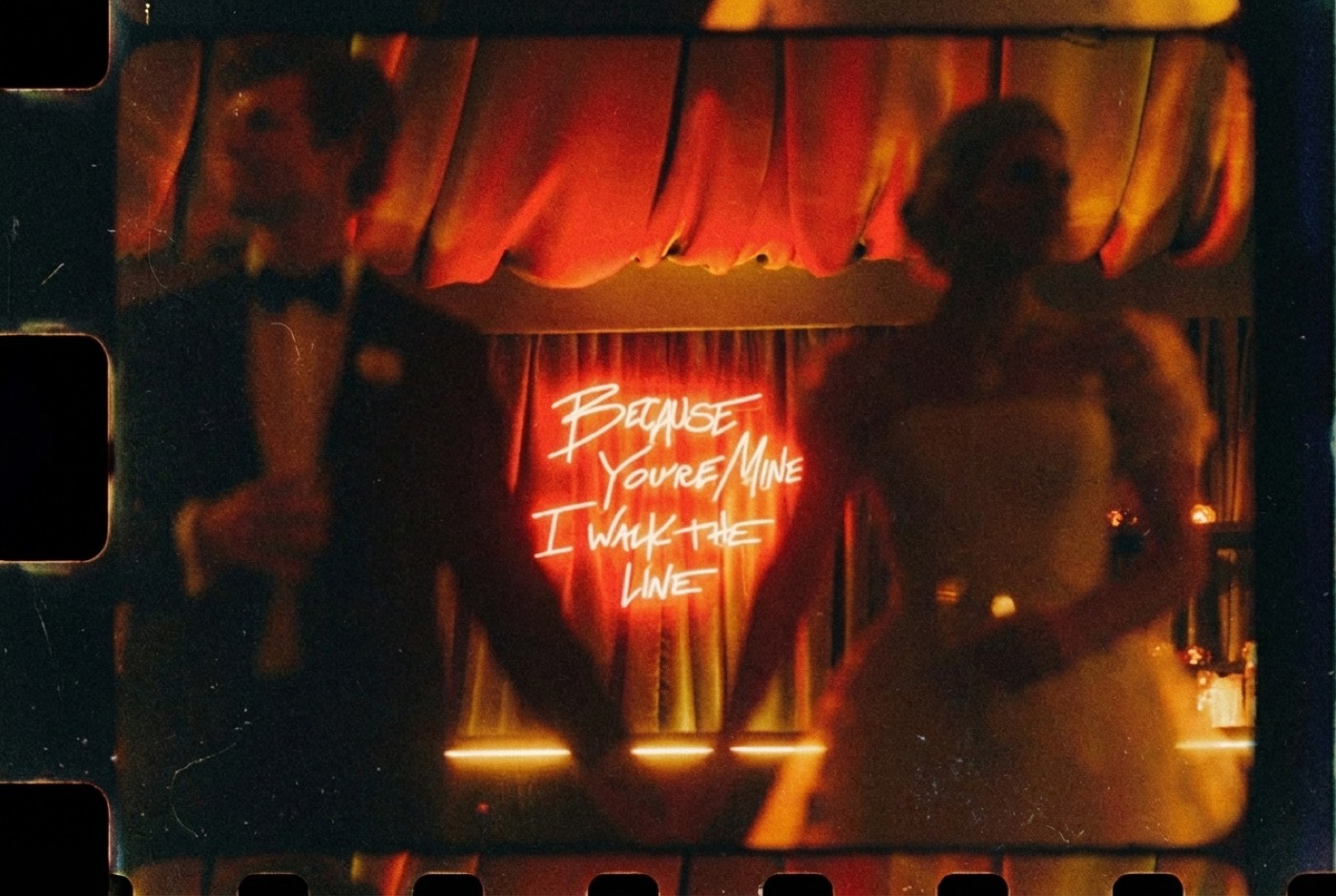
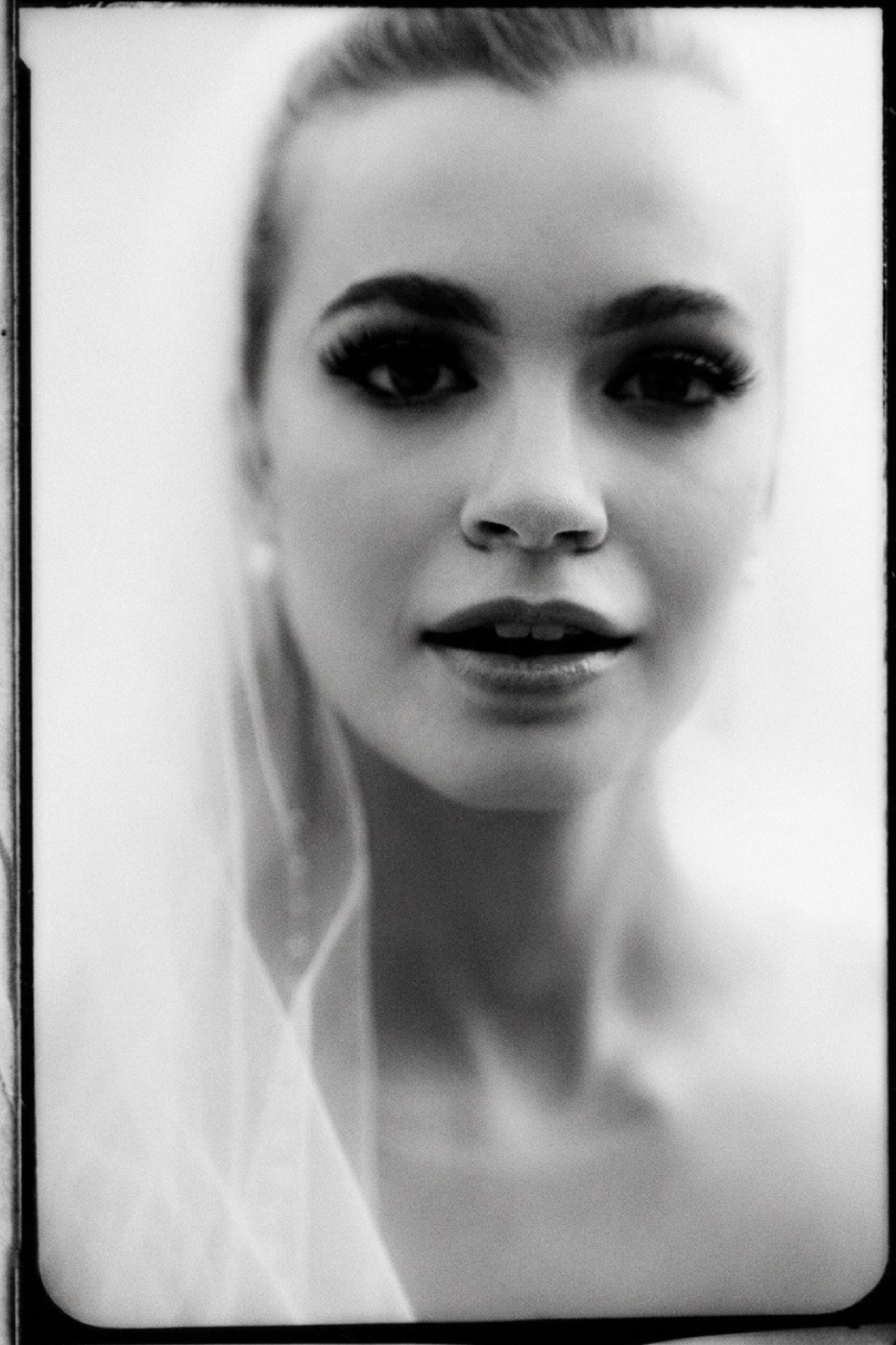
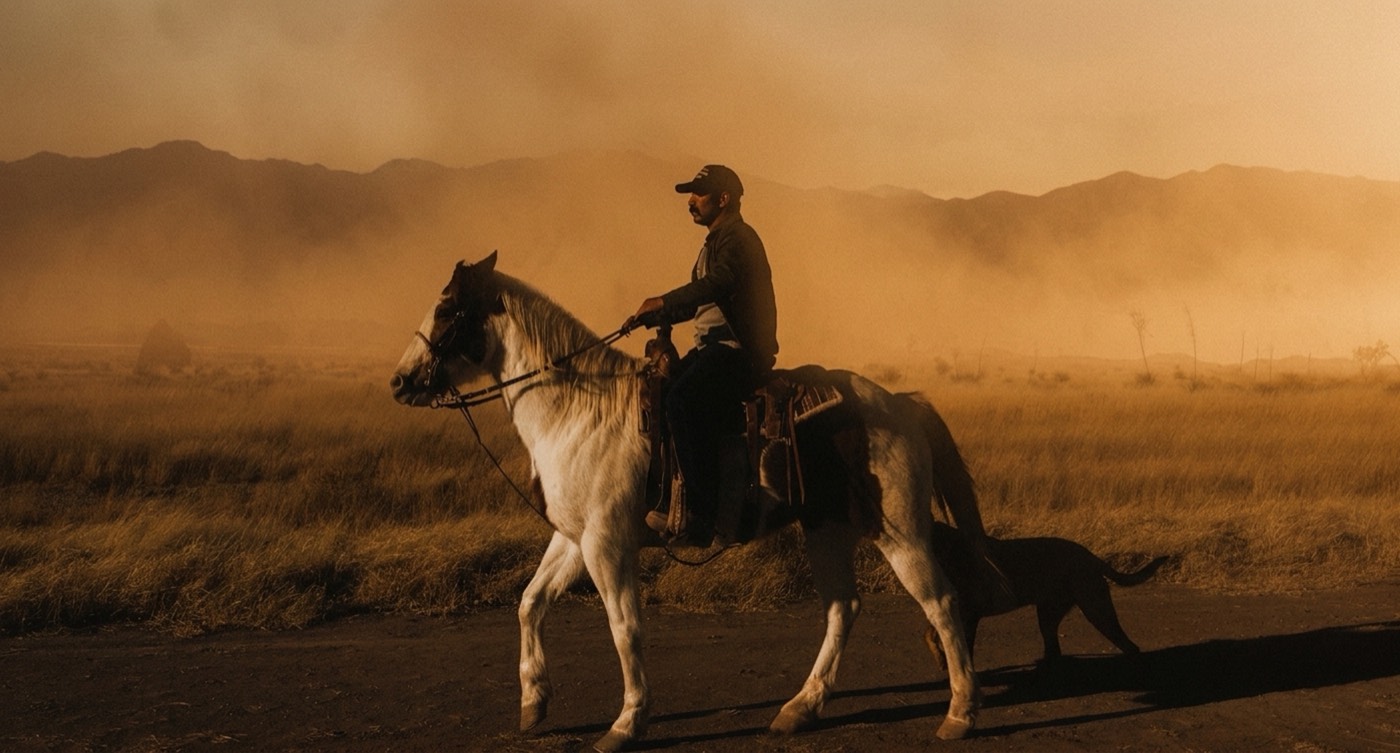
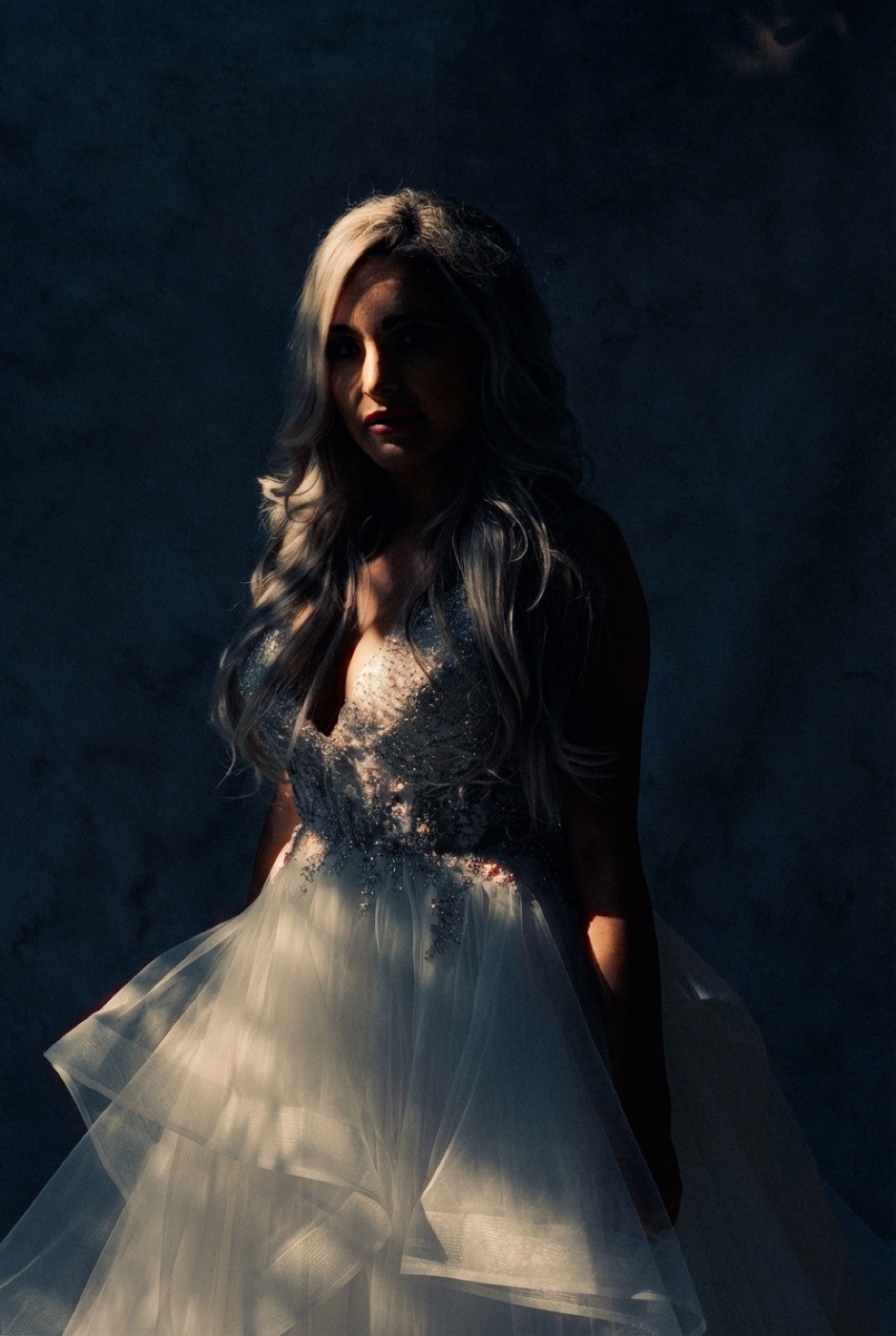
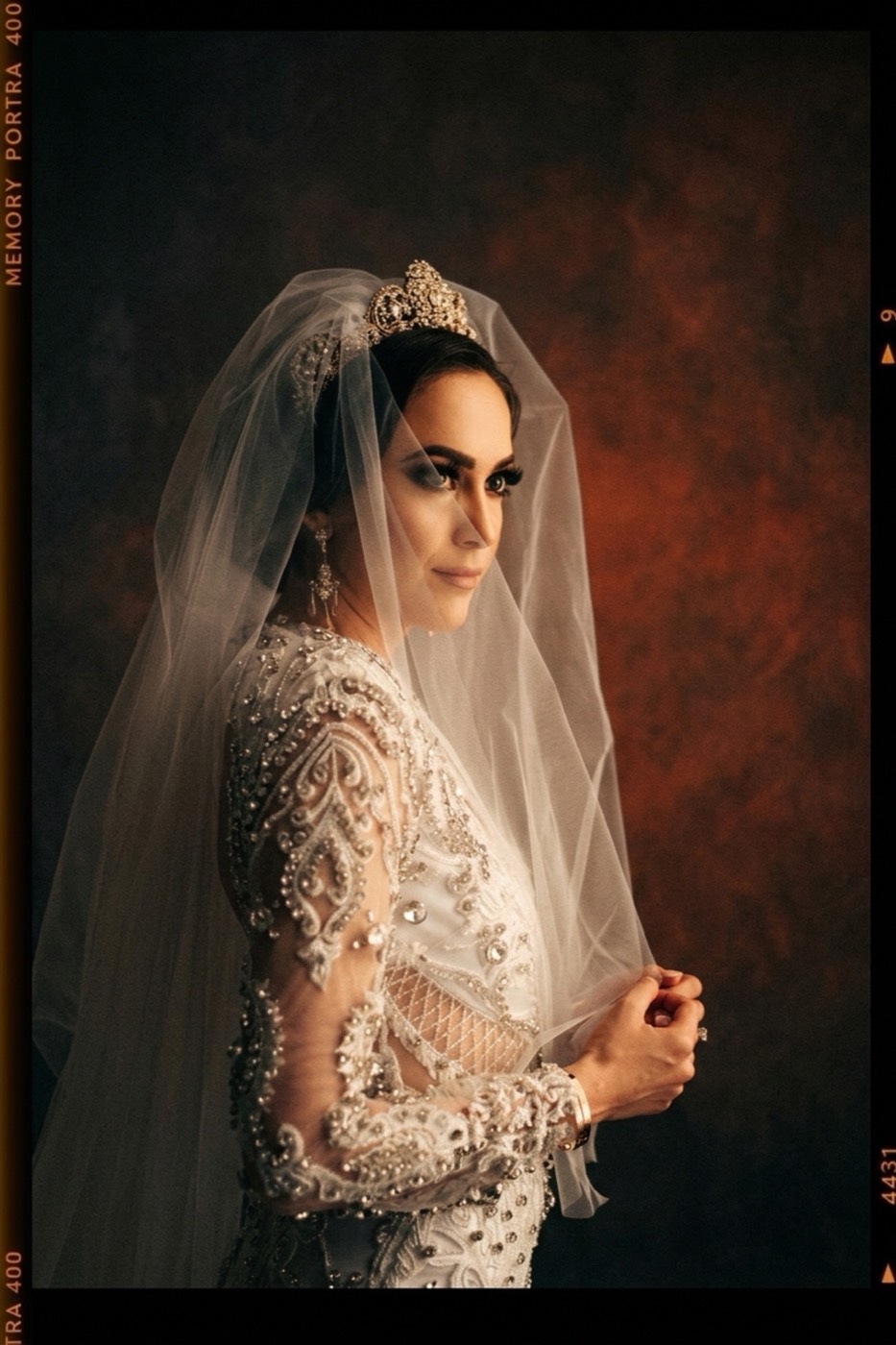
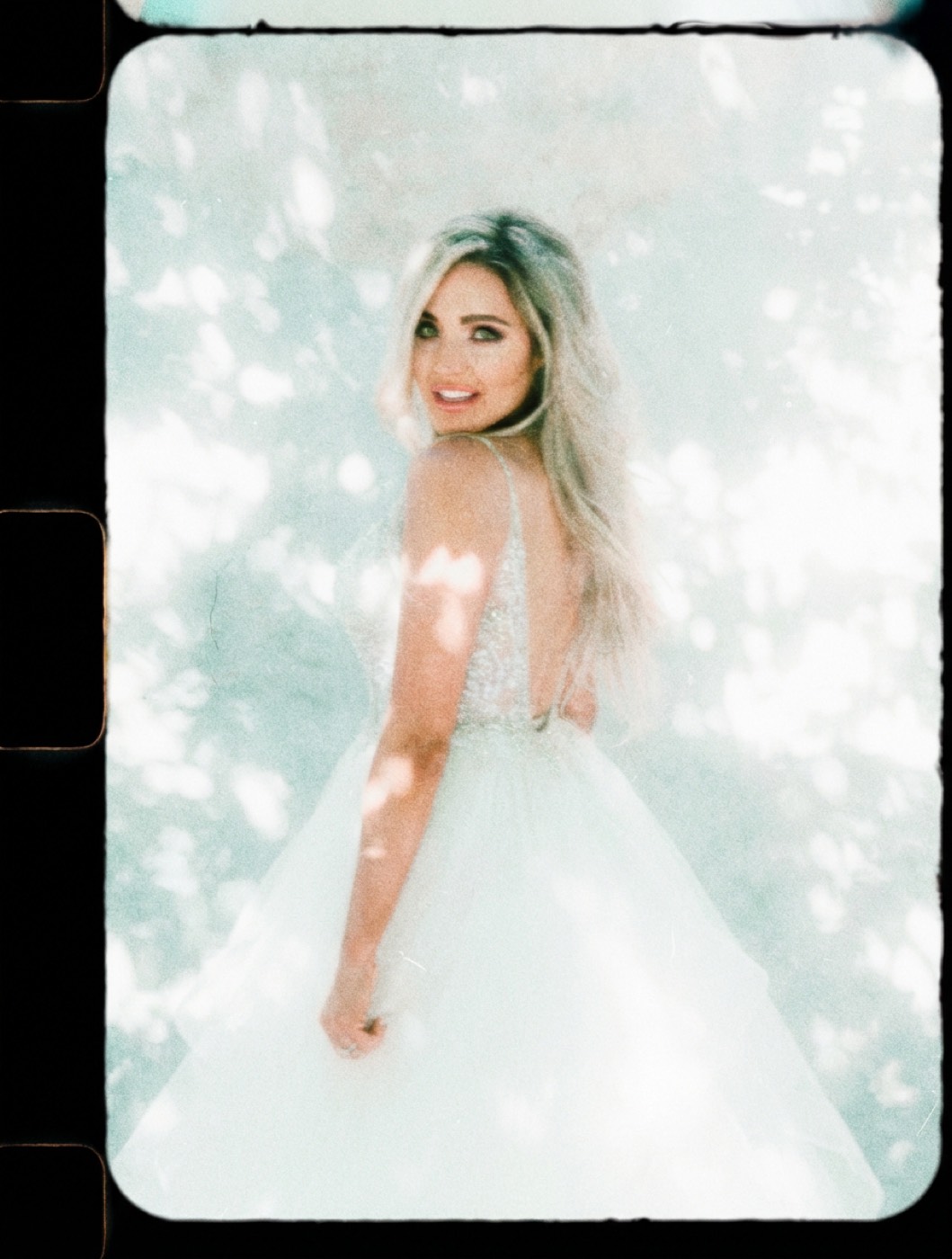
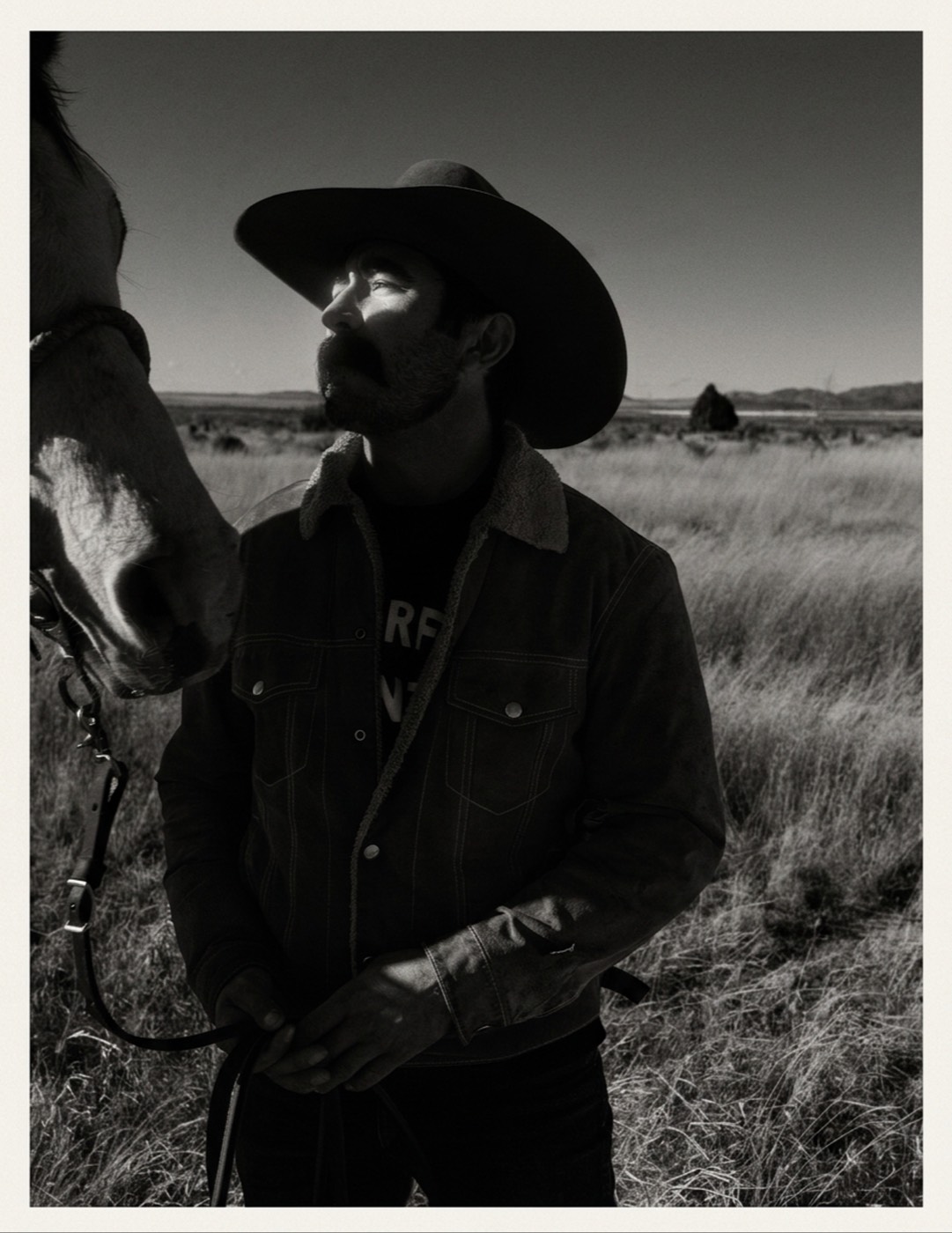
Twelve real frames, each matched to a different film look. The subjects never moved. The look did all the talking.
By Joseph West, working photographer and founder of Department of Vibe
A Lab Report is a contact sheet, not an essay. We pull real frames out of the lab, line them up, and let them carry the argument.
Every photograph below is a real one, shot on a real day. None of them were generated. Each was matched to a different film look: the engine reads a reference for its light, its palette, its grain, the edge of its frame, and lays that onto the photo. What it never touches is the subject. The person, the pose, the moment all stay exactly as they happened. The look is the only thing that moves.
Twelve frames, mixed on purpose. Black and white next to color, a wedding next to a cowboy, medium format next to 35mm. Read it as a range, not a sequence.
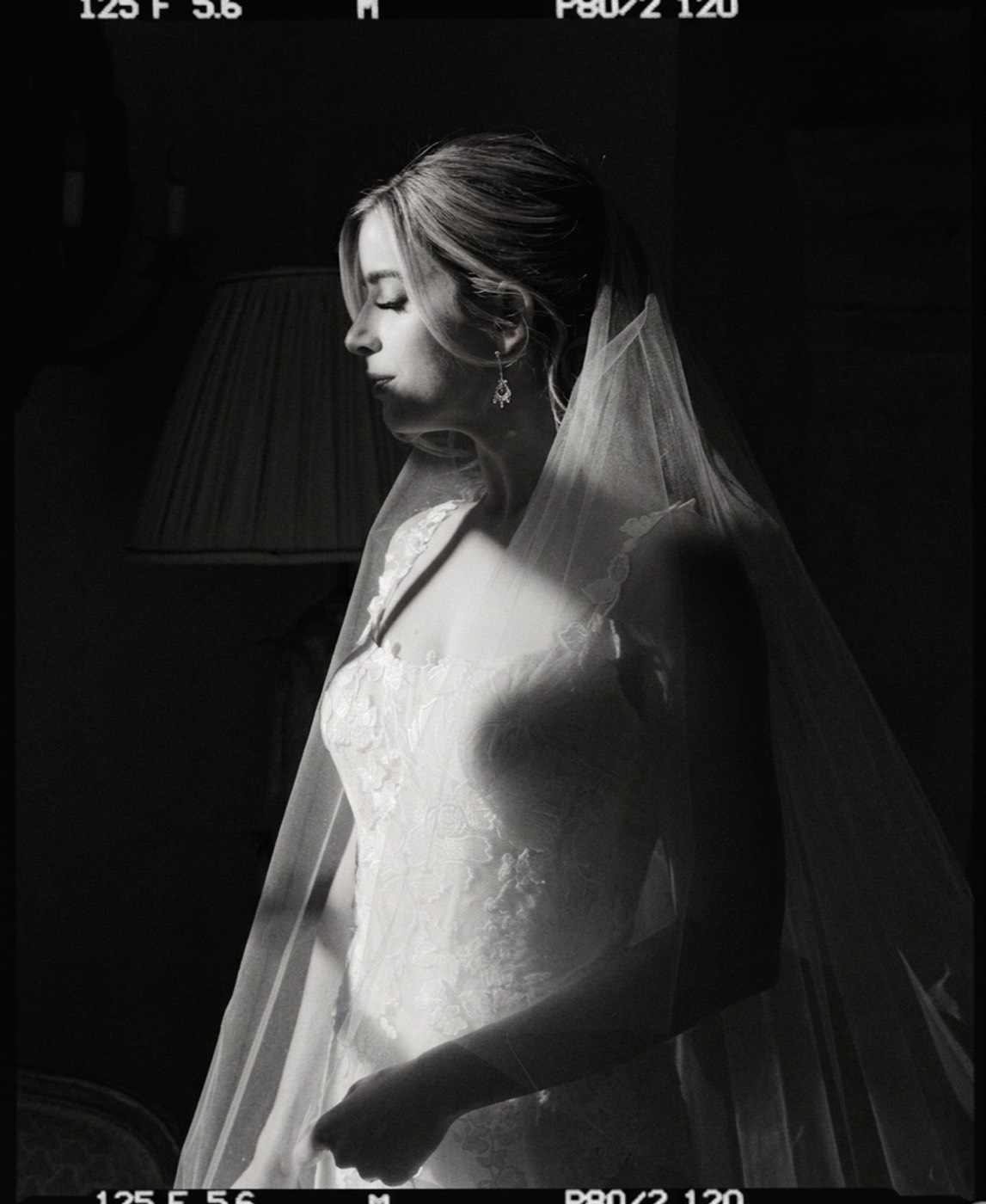
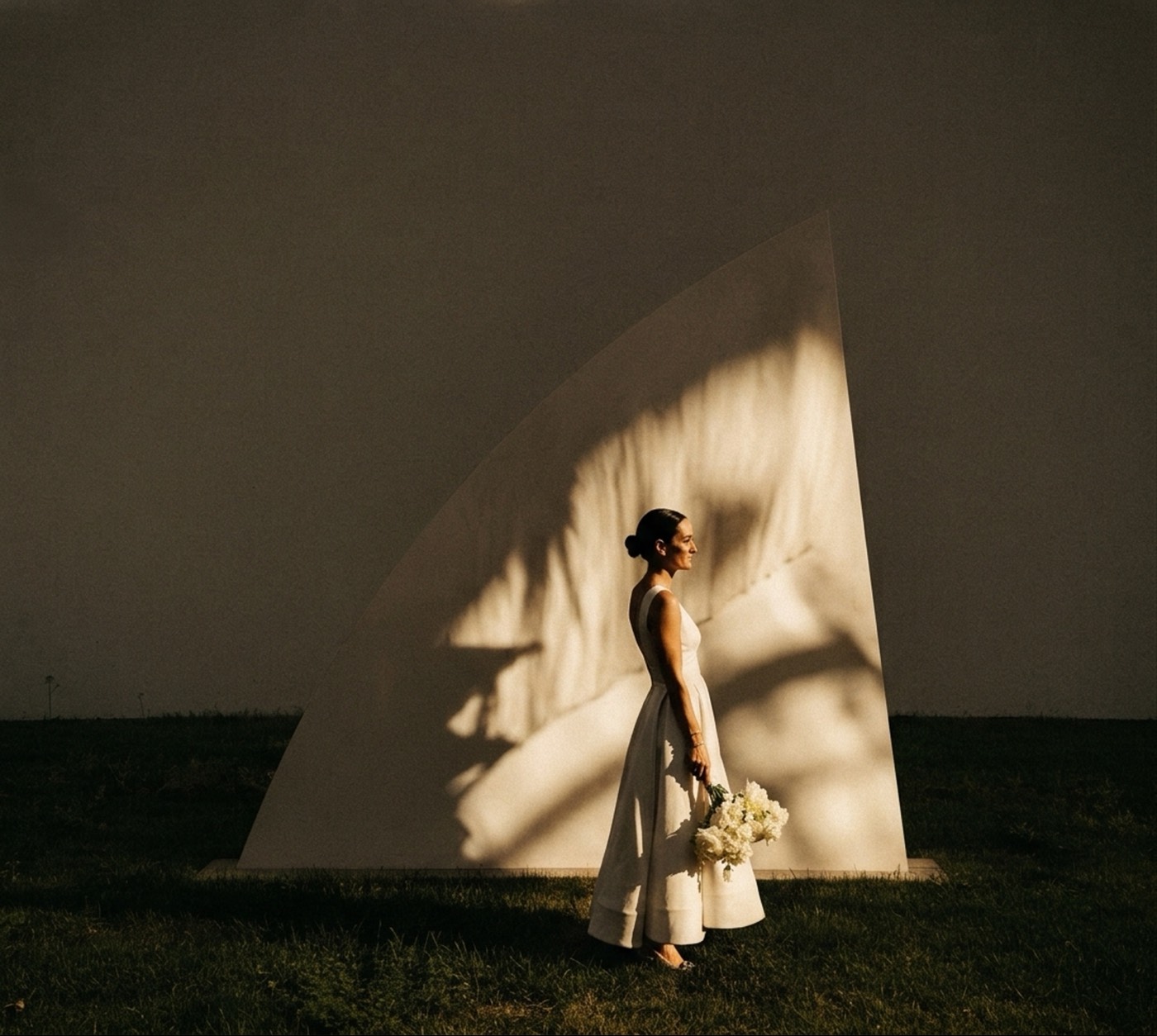
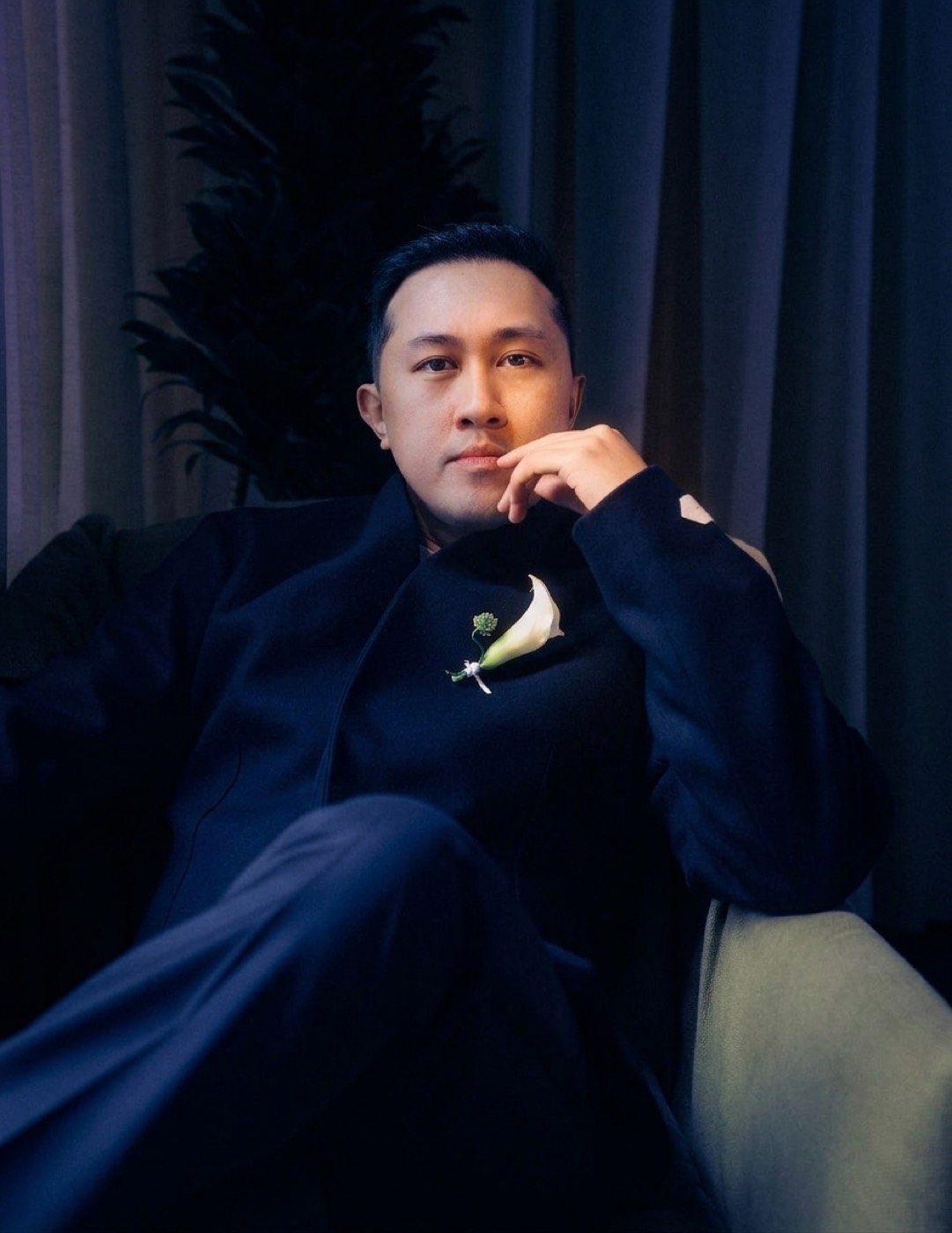
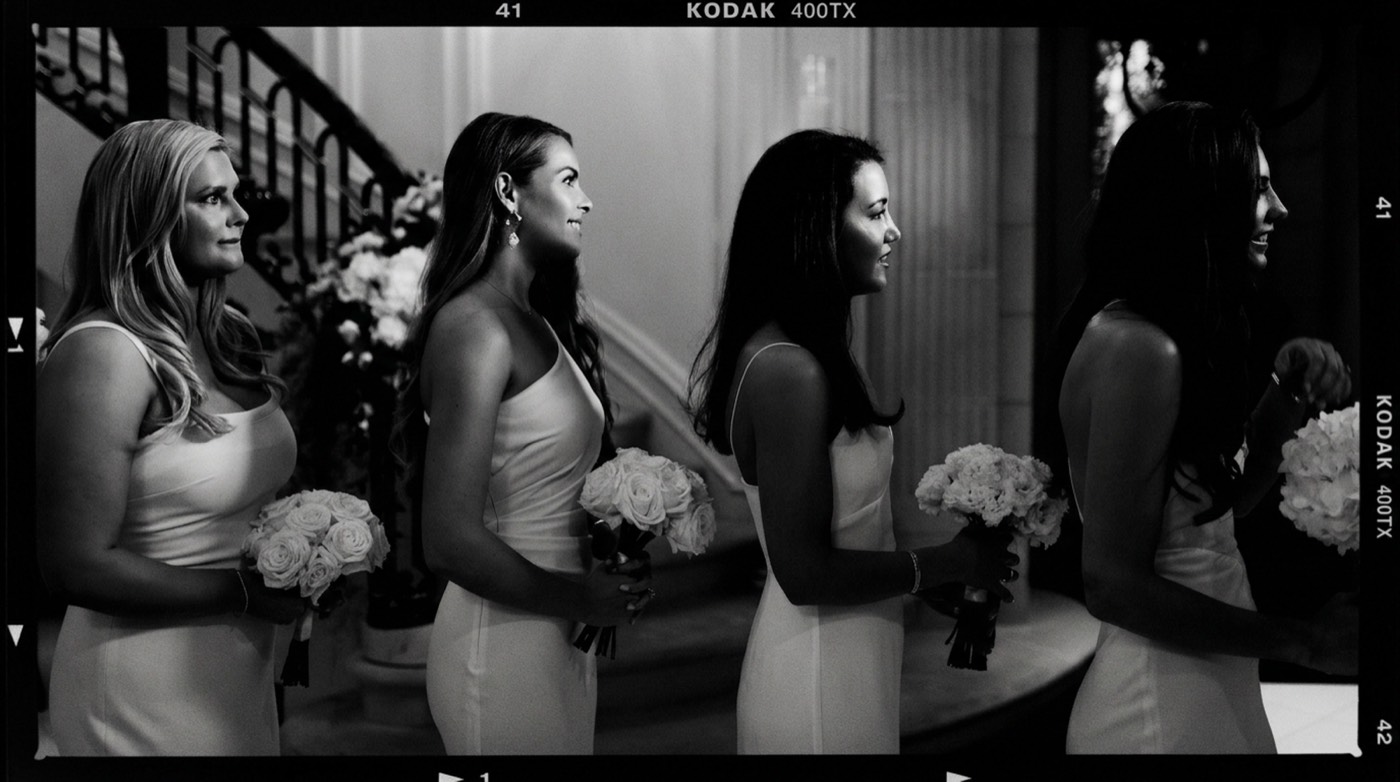
A bridal portrait matched to a black-and-white medium-format look. The veil keeps its translucence and the gown its detail, while the grain and frame edge come from the reference, not the camera.Golden-hour color pulled warm and quiet. A single hard shadow does all the composing.Deep tungsten night. The blue holds in the curtains while the skin stays warm under the lamp.Kodak 400TX read as a contact strip. Four bridesmaids on one tonal scale.Warm color negative on a small frame. Greens stay green, skin stays soft, and the sprocket edge sells the stock.Neon noir on 35mm. The red light is allowed to blow, and the couple stays legible at the edges.High-key black and white, soft focus held just short of losing the eyes.Dust and low sun. The look leans sepia without going muddy, and the haze keeps its depth.A bride against deep teal, lit by one tungsten edge. Restraint as drama.Portra 400 warmth over a painted backdrop. The beadwork and veil keep their separation.High-key halation, the frame breathing light around her. Grain and bloom come from the reference.Black and white in open country. Hard sun, full tonal range, nothing crushed.
What you are actually looking at
None of these is a filter. A filter is one recipe applied to everything; it lands differently on every photo and falls apart the second a real highlight hits a face. A match is the opposite. The engine looks at the reference and the photo separately, then reconstructs the look on the photo's own terms: its own light, its own skin, its own edges. That is why the veils stay translucent, the neon stays red, and nobody's face goes chalky.
It is also why the subject is safe. Because the look is rebuilt rather than painted over, the person underneath is never redrawn.
If you want the long version of any single look here, the Tasting Notes series breaks one stock down at a time. If you want to try it on your own frame, that is what Look Match is for.
Common questions
Are these real photographs or generated images?
Real photographs, each matched to a film look in the lab. The engine reads the light, palette, grain, and frame edge of a reference and brings them onto the photo. The people, poses, and moments are exactly as shot.
What film looks are shown here?
A mix. Black-and-white medium format and 35mm, Kodak Portra 400 warmth, a Tri-X contact-strip read, tungsten night color, and golden-hour sepia. Each frame was matched to a different reference.
Can I get these looks on my own photos?
Yes. Drop your photo and a reference whose look you want, and the engine matches it without touching your subject. Start with Look Match.