This is a Guide. One idea explains a huge amount of how film color behaves, and most people never get told it plainly: every film is balanced for one color of light. Use it under that light and color reads true. Use it under the other and the whole frame shifts. The shift is not a flaw. It is the look.
Two balances
Light has a color temperature, measured in Kelvin. Two reference points matter:
- Daylight, ~5500K. Midday sun, electronic flash. Cooler, bluer-white.
- Tungsten, ~3200K. Household and studio incandescent bulbs. Warm, orange-white.
Film is manufactured to render one of those neutral:
- Daylight film expects 5500K. It is the default for outdoor and flash work.
- Tungsten film expects 3200K. It renders warm bulbs neutral, which is why motion-picture stocks (and CineStill 800T) are tungsten-balanced: most sets and interiors are lit with warm light.
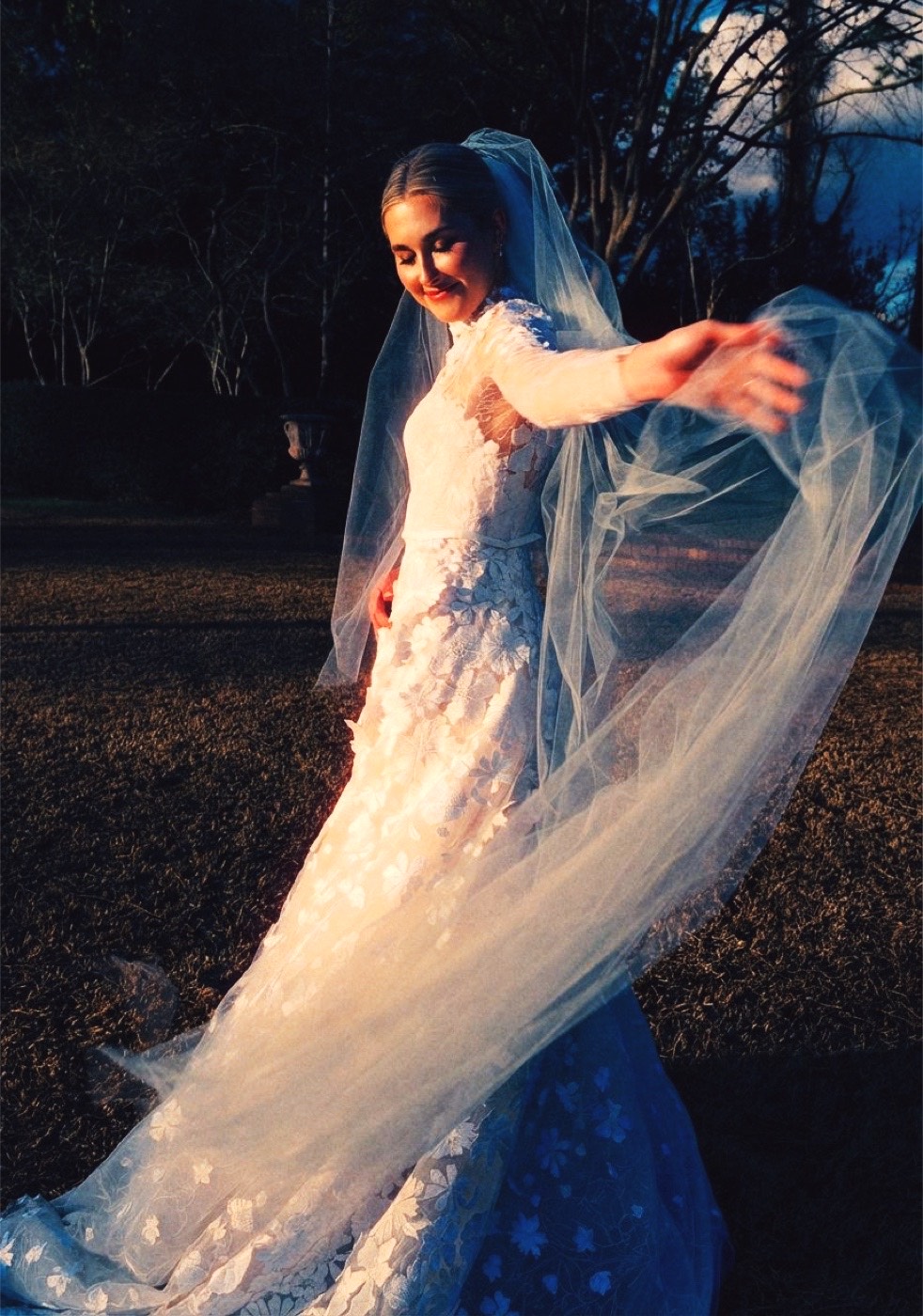
What happens when you mismatch
Mismatch the balance and you get the two classic casts:
- Daylight film (or a daylight white balance) under warm bulbs goes orange. This is why your indoor and night photos look orange. The light genuinely is that warm; the film just is not correcting for it. Candles, string lights, tungsten lamps all push the frame amber.
- Tungsten film in daylight goes blue. With nothing warm to neutralize, everything it sees reads cool and steely. That is exactly why CineStill 800T looks wrong at noon and right at midnight.
In the film era you fixed this in-camera with a correction filter: an orange 85 filter to warm tungsten film for daylight, or a blue 80A to cool daylight film under bulbs. Today you can correct it in the scan or the grade, or you can leave it.
Why the "mistake" is good
Here is the part that matters for a look. The mismatch casts are not errors to scrub out. They are the aesthetic:
- The warm orange of daylight balance at night is the cozy, candlelit, reception-after-dark feeling. Correct it to neutral and you kill the warmth that made the moment.
- The cool steel of tungsten film in daylight is the cinematic, melancholy register that an entire genre of music-video stills is built on.
The skill is choosing the cast on purpose. Want the night to feel warm and human? Lean into daylight balance and let it go amber. Want it cool and filmic? Reach for tungsten behavior. The wrong balance, used deliberately, is the whole point.
How to read it back
This also gives you a forensic tell (more in how to read a film stock):
- Cool, cyan density sitting in the deep shadows in a daylight scene means tungsten-balanced film, uncorrected.
- A warm-orange wash across an indoor frame means daylight balance under warm light.
When you match a look in Department of Vibe, this is one of the things the engine reads off your reference: the color of the light it was built for, and the cast that comes from using it anywhere else. Match the balance, and the night goes the right kind of wrong.