This is a Guide, and it answers a question people ask constantly: which Portra? They are the same family with the same job, flattering skin, but they are tuned for different light. Here is how to choose.
The short answer
- Portra 400 is the daylight default. Finer grain, the all-around portrait and wedding stock. If the scene is reasonably lit, reach for 400.
- Portra 800 is for when the light runs out. Receptions, dim interiors, dusk. It trades a little grain for the speed to keep shooting, and it holds skin natural where slower films stall.
If you only remember one line: 400 for the day, 800 for the night.
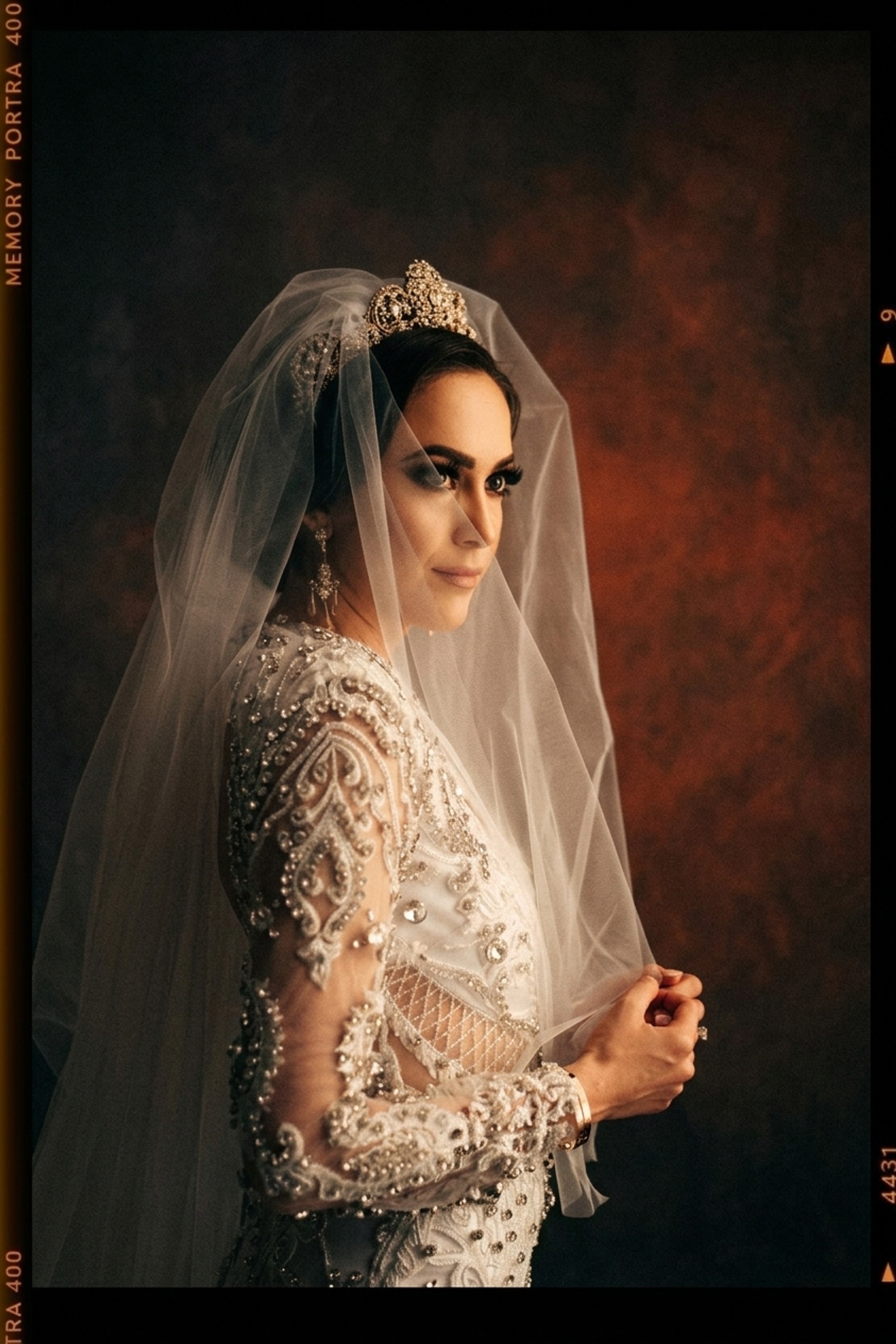
Grain and speed
This is the core trade. Portra 400 is a 400-speed film with notably fine, quiet grain for its sensitivity; grain reads as texture, not noise. Portra 800 is a full stop faster, which buys you shutter speed in low light, and the cost is more visible grain and slightly more contrast.
Note that the choice is not "400 pushed to 800." You can push 400, but native 800 is a different emulsion built for the speed, and it generally holds skin tones in low light better than a pushed 400 will. If you know you are shooting dark, start with 800 rather than planning to push.
Skin and color
Both protect skin, that is the whole Portra personality (more in Tasting Notes: Portra 400). The differences are subtle:
- Portra 400: warm without going orange, soft contrast, restrained saturation, creamy highlight roll-off. The cleanest, most invisible "good skin" look on the shelf.
- Portra 800: the same warmth and roll-off, carried into low light, with a touch more contrast and grain. Under candlelight and mixed interior light it keeps faces natural where digital can turn ruddy or noisy (more in Tasting Notes: Portra 800).
Side by side, matched
The honest way to decide is to see both on the same photo. That is exactly what reference matching is for: in Department of Vibe you can match the Portra 400 look and the Portra 800 look onto the same frame and compare the grain, contrast, and low-light behavior directly, with your subject unchanged either way. Match both, then pick the temperament that fits the moment.