This is a Guide. The film-look economy runs on presets: buy a pack, stack it, then spend an hour fixing each photo because the preset that looked great on the sample shot does not fit yours. There is a better mental model, and it explains why presets are frustrating.
What a film preset actually is
A preset is a saved set of slider moves: exposure, contrast, white balance, HSL, a tone curve. That is it. When you apply "Portra preset," you are applying those exact numbers to your photo, no matter what is in it. The preset does not know whether your shot is a bright beach or a dim reception. It moves the same sliders by the same amounts either way.
That is why presets are inconsistent. The numbers that flatter one exposure wreck another, so you end up adjusting every image by hand. You bought a look and got a starting point. (For the deeper layer under this, see profile vs preset.)
What matching a look does instead
Matching starts from a real reference, not a slider stack. You point the engine at the film frame whose look you want, and it reads that look, the color bias, the contrast curve, the grain, the highlight roll-off, and rebuilds it on your photo's own terms. Because it interprets the look per image instead of stamping fixed numbers, it adapts: the same target look lands correctly on the beach shot and the reception shot.
The short version: a preset stamps, a match interprets.
When a preset is still fine
Presets are not useless. If you want a quick, consistent starting point that you intend to tweak, a preset is a fine first move, especially for batch consistency across a set you will finish by hand. The trouble only starts when you expect the preset to be the finished look. It rarely is.
When to match instead
Reach for matching when you want a specific film look reliably, across varied photos, without per-image babysitting, and without buying another pack. You get the look you actually pointed at, adapted to each frame, with your subject left exactly as shot.
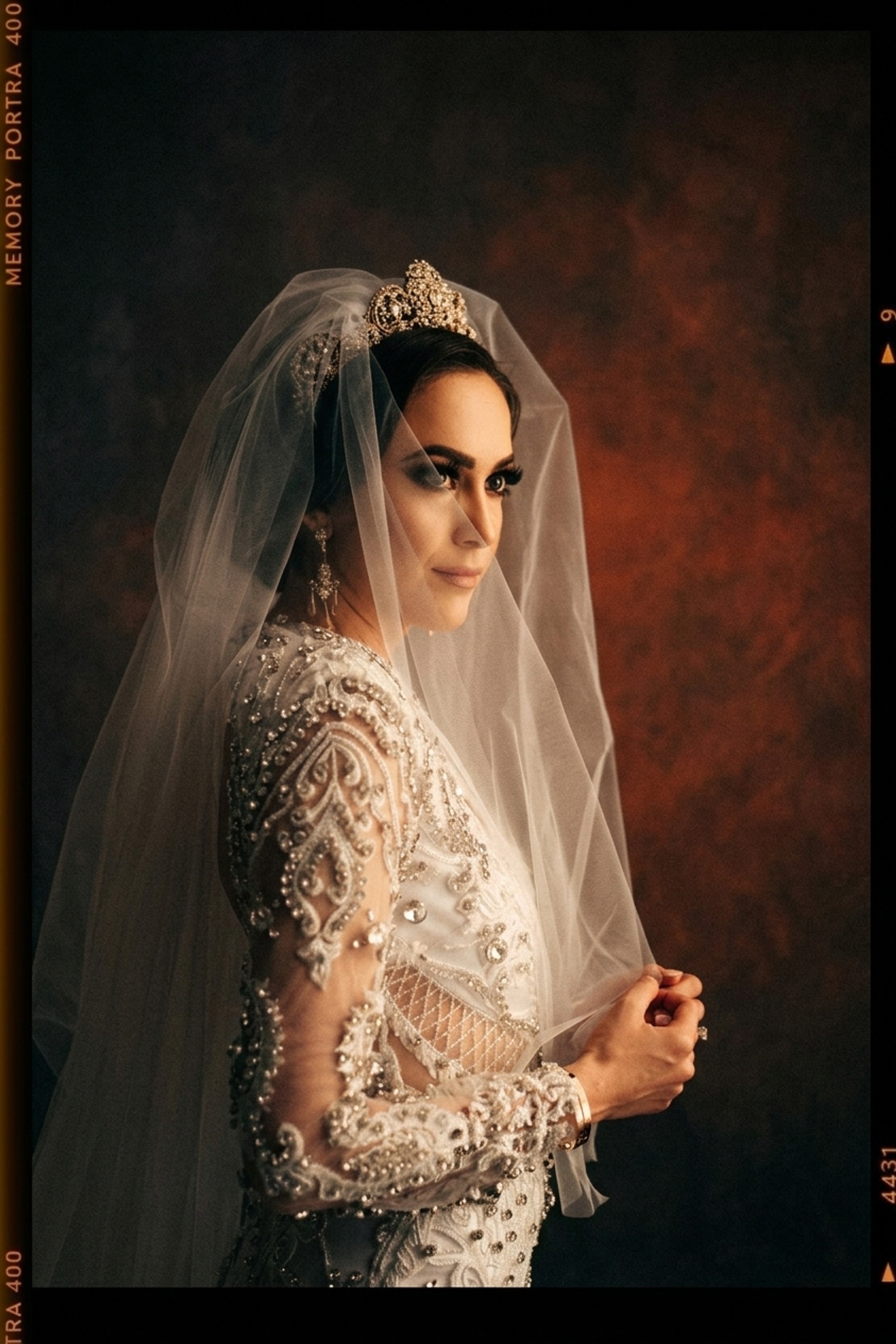
That is what Department of Vibe does, and it is why it works as a Lightroom presets alternative: match the look from a reference, keep the photograph. Try it on a stock like Portra 400, or bring your own reference.