FIG. 3.6 — FUJIFILM VELVIA 50 DOSSIER
Fujifilm Velvia 50
"Vivid reality."
The legendary landscape film. Extreme color saturation, punchy contrast, and virtually invisible grain. Velvia's signature look turns ordinary scenes into hyper-real visual experiences. Famous for its vivid greens and deep blues.
FIG. 3.4 — DIGITAL → FILM SCAN
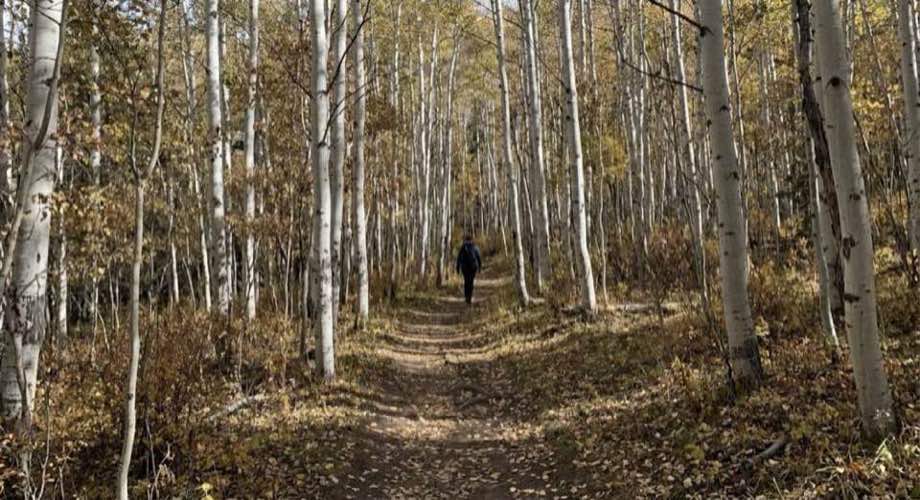
Input — Digital
Output — VELVIA 50
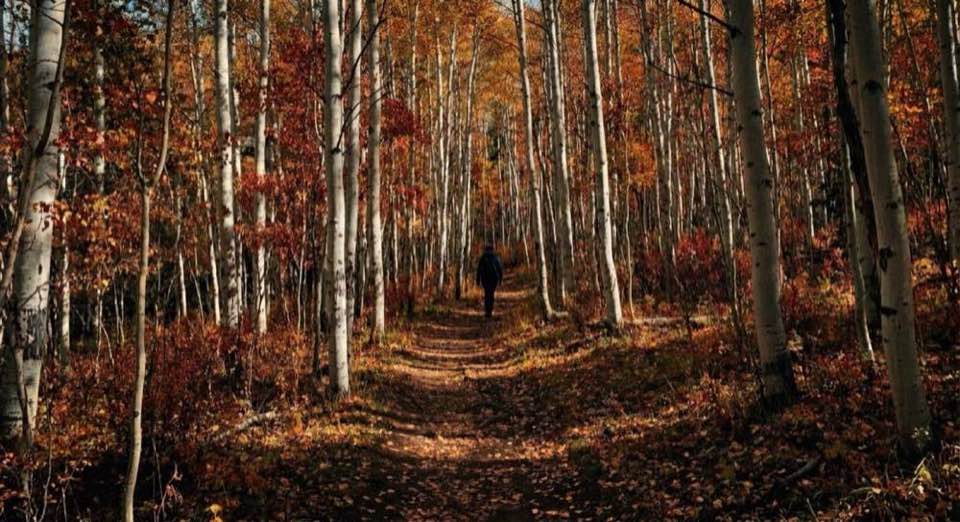
The Fujifilm Velvia 50 look matched onto a photo. Department of Vibe transfers its color, contrast, grain, and density while keeping the subject identical, so the photograph stays yours and only the look changes.
Film Chemistry Profile
- Catalog Code
- VEL-50
- Grain
- low
- Bias
- neutral
- Contrast
- punchy
- Halation
- off
- Overscan Default
- OFF
Recommended Use Cases
Film Stock History
Year Introduced
1990
Manufacturer
Fujifilm
Origin
Japan
Film Type
Color Reversal (Slide Film)
Fujifilm Velvia was born from a bold question: what if film could show the world more vividly than the eye sees it? Introduced in 1990, Velvia (a portmanteau of 'velvet' and 'media') was designed specifically for landscape photography, and it immediately revolutionized the field. Where Kodachrome offered natural, almost journalistic color, Velvia presented an idealized, hyper-saturated vision of reality.
The film's development came from Fujifilm's analysis of what landscape photographers actually wanted. They didn't want accurate color—they wanted emotional color. Greens should be vibrant and alive. Blues should be deep and resonant. Reds should pop. Velvia delivered all of this with virtually invisible grain at ISO 50, making it perfect for large prints and reproduction. National Geographic photographers adopted it for nature coverage. Calendar and postcard companies standardized on it. Travel magazines demanded it.
Velvia became so influential that it essentially defined what we expect landscape photos to look like. Those impossibly green forests? Velvia. Those deep, almost electric blue skies? Velvia. The film trained an entire generation to see the natural world through its vivid lens. Even digital photography borrows from Velvia—many landscape presets are attempts to recreate its legendary saturation and contrast.
Technical Innovation
Super Fine-Sigma grain technology with RMS granularity of just 9, combined with unique dye couplers that produced the highest color saturation of any slide film.
Cultural Impact
Velvia didn't just capture landscapes—it defined how we expect landscapes to look. Its hyper-real saturation became the baseline for travel photography, nature calendars, and tourism marketing for three decades.
Famous Photographers
Galen Rowell
Mountain and adventure photographer who championed Velvia for its vivid rendering
'Rainbow Over the Potala Palace' and wilderness photography books
Art Wolfe
Nature and wildlife photographer whose vibrant style was enhanced by Velvia
'Edge of the Earth, Corner of the Sky' and wildlife documentation
Frans Lanting
National Geographic photographer known for vivid nature imagery
'LIFE: A Journey Through Time' and conservation photography
Michael Fatali
American landscape photographer famous for dramatic desert imagery
Antelope Canyon and Southwest landscape work
Iconic Works Shot on Fujifilm Velvia 50
National Geographic Nature Coverage (1990s-2000s)
1990Velvia became the standard film for National Geographic's nature and landscape photography, defining the magazine's visual language for a decade.
Sierra Club Calendars
1992The environmental organization's iconic calendars standardized on Velvia, shaping public perception of wilderness beauty.
Original Film Chemistry
- Film Type
- Color Reversal (Slide Film)
- ISO Speed
- 50
- Process
- E-6
Film Stock Trivia
- •Velvia's ISO 50 makes it one of the slowest professional films, requiring tripods in most conditions
- •The film is so saturated that Fujifilm later released Velvia 100F as a slightly less intense alternative
- •Velvia's blues can be so intense that some photographers use warming filters to balance them
- •The film's contrast is so high that it has limited latitude—exposure must be precise
- •Velvia was so popular for Japanese autumn foliage ('koyo') that some photographers shot nothing else
- •Adobe's 'Velvia' camera profile in Lightroom is an attempt to replicate the film's look digitally
Recommended For
Photographers
- •Landscape and nature work
- •Architectural photography
- •Product photography with vibrant colors
Creators
- •Travel content with dramatic scenery
- •Outdoor adventure visuals
- •Vibrant, eye-catching posts
Agencies
- •Tourism and hospitality campaigns
- •Outdoor brand content
- •Environmental and conservation messaging
Explore Similar Film Stocks
Ready to process?